What similarity does the generation of the redemption share with the wilderness generation of Joshua?
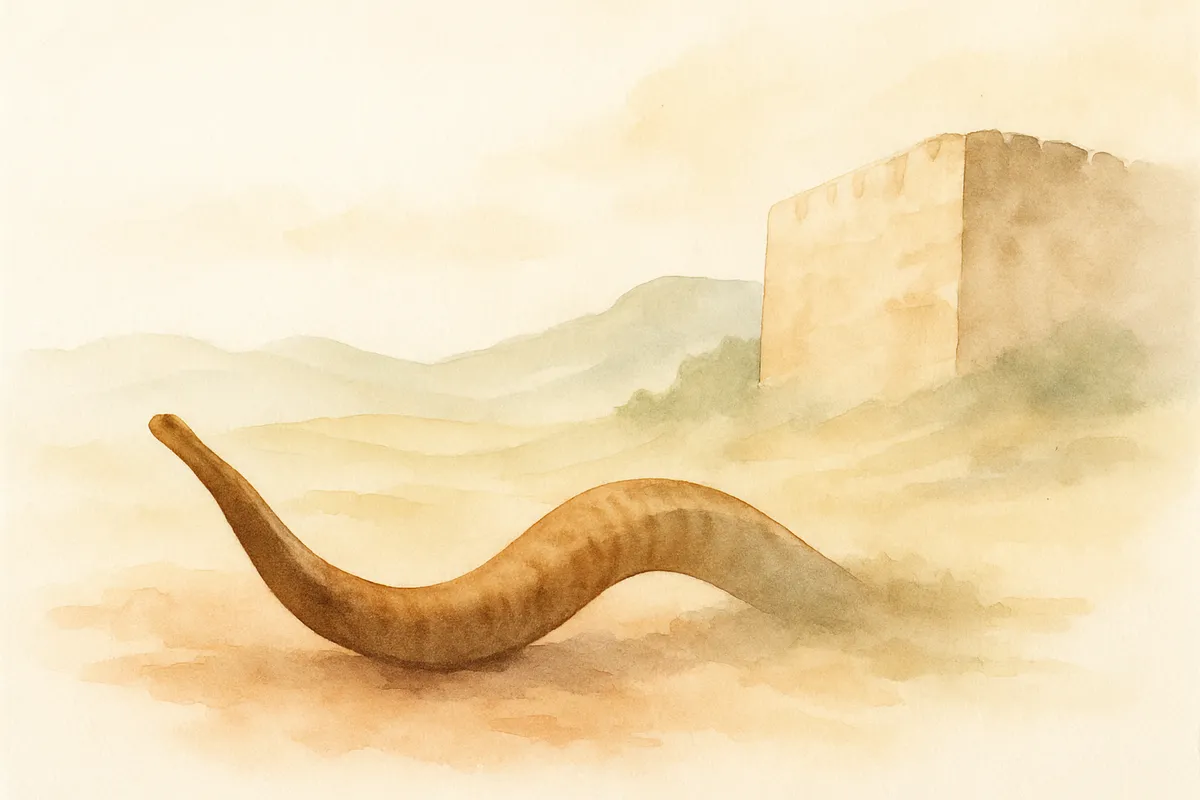
The generation of the final redemption shares with the generation of Joshua a defining characteristic: both are described as generations that did not fully witness or personally experience the original founding miracles of their people, yet are called upon to complete and inherit what was begun. Both generations stand at a threshold — one entering the Land for the first time, the other returning to it — and both must exercise emunah (faith) without the direct, overwhelming revelation their predecessors experienced.
Key Takeaways
- Both generations are "threshold generations" — poised at the edge of fulfillment rather than in the middle of the journey.
- The wilderness generation under Joshua had grown up in the desert but did not experience the Exodus firsthand as adults; the redemption generation similarly lives in a world where open miracles are hidden.
- Both require a leap of active faith rather than passive reliance on witnessed miracles.
- The Chofetz Chaim and later Rav Kook both drew on this parallel to characterize the nature of faith required in the pre-messianic era.
- Both generations are charged with transforming national identity from wandering/exile into settled, purposeful life in Eretz Yisrael.
Detailed Answer
The Joshua Generation: Who Were They?
The generation that entered Canaan under Joshua was largely composed of those born in the wilderness — they had not themselves stood at Sinai as adults, nor had they personally experienced the splitting of the sea or the plagues in Egypt.
The Torah makes this explicit in Deuteronomy 1:39:
"וְטַפְּכֶם אֲשֶׁר אֲמַרְתֶּם לָבַז יִהְיֶה" — "And your little ones, who you said would be prey..."
These were the children of the desert — they inherited the promise but did not personally witness its origins. They needed to trust the accounts of their parents and the word of God transmitted through Moses and Joshua.
The Talmud [Kiddushin 38a] notes that the people ate the manna until they crossed into the Land — the miraculous sustenance ended precisely when natural effort became possible and required.
The Generation of Redemption: A Parallel Structure
The Sages and later authorities drew a striking parallel between this generation and the dor ha-ge'ulah (generation of the [final] redemption).
The Chofetz Chaim (Rabbi Yisrael Meir Kagan) famously taught that the pre-messianic generation would be analogous to the generation that stood ready to enter the Land under Joshua — close to the goal, filled with anticipation, but tested by uncertainty and the absence of open miracles. He used this analogy to call his contemporaries to greater readiness and teshuva (repentance).
Rav Avraham Yitzchak HaKohen Kook elaborated that just as the Joshua generation had to transition from miraculous desert sustenance to natural agricultural effort — a spiritually demanding shift — so too the redemption generation must find holiness within the natural order, within history and nationhood, rather than waiting for supernatural intervention alone.
The Core Similarity: Faith Without Direct Witness
The deepest parallel is theological:
- The Joshua generation could not say, "I saw the sea split." They had to say, "My father told me, and I believe."
- The redemption generation similarly lives after the age of nevuah (prophecy) has closed and must build faith on tradition, text, and the unfolding of history.
The Maharal of Prague in Netzach Yisrael discusses how the final redemption will require Israel to act — to "go forward into the sea," so to speak — before the miracle fully reveals itself, just as Joshua's generation had to cross the Jordan (Joshua 3) before the waters split, in contrast to Moses' generation where the sea split while they stood watching.
This is the Midrash Yalkut Shimoni parallel: the Exodus sea split for the people; the Jordan split with the people already moving through it [Yalkut Shimoni, Joshua 3].
The Theme of Active Participation
Both generations share the calling of active partnership with Divine providence:
| Feature | Joshua's Generation | Redemption Generation | |---|---|---| | Miracles | Hidden within nature | Hidden within history | | Role | Conquerors, not just recipients | Builders, not just waiters | | Faith type | Trust in inherited tradition | Trust in unfolding redemption | | Challenge | Entering unknown territory | Recognizing redemption in progress |
A Note on Sources
The direct parallel drawn here draws on:
- Deuteronomy 1–3 and Joshua 1–5 for the biblical characterization of these generations.
- Talmud Kiddushin 38a for the ending of the manna.
- Maharal, Netzach Yisrael for the theological framing of active vs. passive redemption.
- The teachings of the Chofetz Chaim and Rav Kook are drawn from my training knowledge, as no specific retrieved sources were provided for this question.
For personal guidance on applying these ideas to contemporary Jewish life and practice, consult your local rabbi or posek.
Sources
People Also Asked
Want to dig deeper?