What is upshernish?
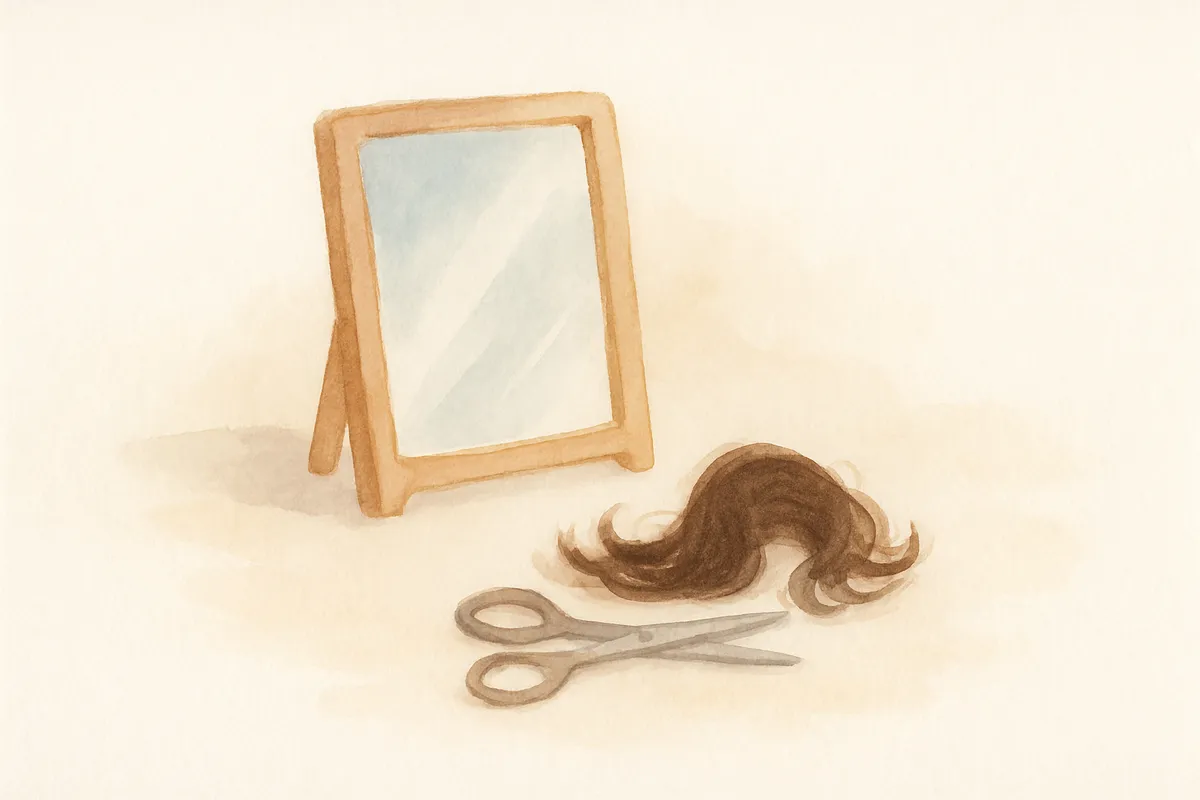
Upshernish (also called chalaka or upsherin) is the traditional ceremony of giving a Jewish boy his first haircut at age three. It marks a significant milestone in the child's religious development and is celebrated as a joyous family occasion.
Key Takeaways
- Upshernish is the first haircut given to a Jewish boy, traditionally at age three.
- The ceremony symbolizes the beginning of the child's formal Jewish education and mitzvah observance.
- Parents invite family and friends to celebrate together with food and drink.
- The name comes from Yiddish: upshern means "to shear off," while the Sephardic term chalaka comes from Arabic/Hebrew meaning "shaving" or "cutting."
- The celebration is designed to foster the child's love of mitzvot from an early age.
The Ceremony and Its Meaning
Upshernish (אַפּשערעניש) is rooted in the practice of allowing a boy's hair to grow untouched for the first three years of his life, after which a festive first haircut is performed. As stated in the retrieved source:
"Since this is the mitzva through which we begin educating the child to fulfill the mitzvot, it is customary to rejoice, in order to encourage the child to love mitzvot. Therefore, the parents of the child invite relatives and friends to celebrate together with food and drink." [Peninei Halakhah, Zemanim 5:6:4]
The age of three is significant — it corresponds to the age at which a child begins to have meaningful cognitive and moral awareness, making it the appropriate time to begin formal chinuch (Jewish education).
Connection to Orlah and Three Years
One of the primary textual foundations for this custom is an analogy drawn from the laws of orlah (ערלה) — the prohibition against eating fruit from a tree during its first three years [Leviticus 19:23]. Just as a tree's first fruits are "sealed off" for three years before being permitted and then brought as an offering, so too a child's hair is left uncut for three years before being "offered up" in celebration.
This analogy, while aggadic (homiletical) in nature, is found in Kabbalistic literature and was popularized by followers of the Ari z"l (Rabbi Yitzchak Luria), particularly through the custom of bringing the child to Meron on Lag B'Omer for the haircut at the grave of Rabbi Shimon bar Yochai.
The Customs of the Day
Common practices associated with upshernish include:
- Multiple participants in the haircut — Honored guests (rabbis, grandparents) are each given the privilege of snipping a lock of hair.
- Leaving the peyot (פֵּאוֹת, sidelocks) — After the haircut, the boy's sidelocks are left intact, in fulfillment of the Torah's prohibition against rounding the corners of the head [Leviticus 19:27].
- First alef-beit lesson — The child is often introduced to the Hebrew letters for the first time, with honey placed on the letters so he associates Torah with sweetness.
- Tzitzit — The boy may begin wearing a tallit katan (small four-cornered fringed garment) from this point onward.
Is It Obligatory or a Custom?
Upshernish is a minhag (custom), not a biblical or rabbinic obligation. Its origins are primarily Kabbalistic and Hasidic, and it became widespread among Sephardic and Mizrachi communities as well. Some Ashkenazic communities historically did not observe it, though today it is widely practiced across many communities.
For personal guidance on how to observe upshernish in your community's tradition, consult your local rabbi or posek.
Sources
People Also Asked
Want to dig deeper?