What is the summary of Parshat Vayakhel?
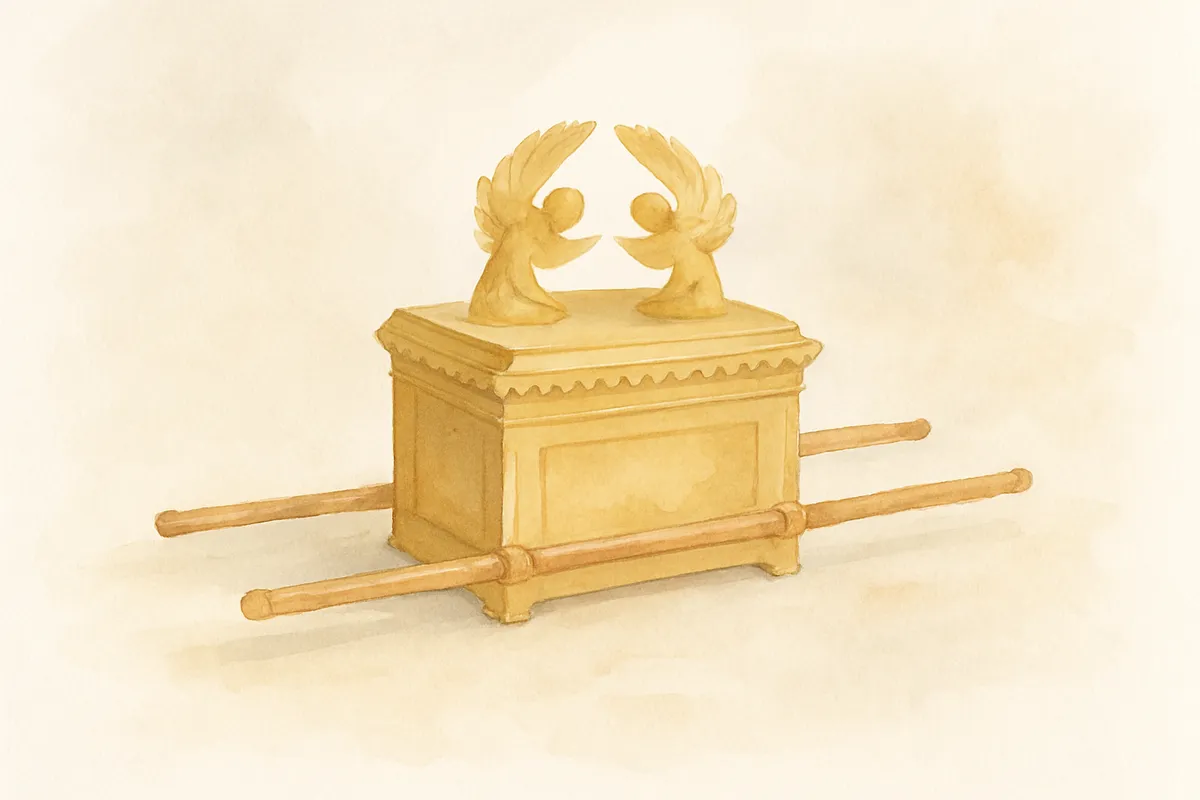
Parshat Vayakhel (Exodus 35:1–38:20) describes Moses gathering the entire Israelite nation to transmit God's commands regarding Shabbat and the construction of the Mishkan (Tabernacle). The portion covers the call for voluntary donations of materials, the appointment of the master craftsmen Betzalel and Oholiab, and the detailed construction of the Tabernacle and its furnishings.
Key Takeaways
- Moses opens by commanding the laws of Shabbat before turning to the Mishkan, establishing that even sacred construction does not override the Sabbath.
- The Israelites donate so generously that Moses must eventually stop the donations — the materials exceed what is needed.
- Betzalel ben Uri is divinely appointed as the master craftsman, endowed with wisdom and skill to lead the Tabernacle's construction.
- The halachot (laws) of the 39 forbidden melachot (labors) of Shabbat are derived from the juxtaposition of Shabbat with the Mishkan's construction.
- The word vayakhel ("and he assembled") is unique in the Torah, teaching that public Torah teaching should be a communal, regular practice.
The Opening: Shabbat First
The parasha opens with the striking verse [Exodus 35:1–3]:
"וַיַּקְהֵל מֹשֶׁה אֶת כָּל עֲדַת בְּנֵי יִשְׂרָאֵל" — "And Moses assembled the entire congregation of Israel and said to them: These are the things that God commanded, to do them. Six days work shall be done, but on the seventh day it shall be holy for you, a complete rest for God..."
Moses gathers the entire nation — an unprecedented assembly — immediately after descending from Sinai following the sin of the Golden Calf. This dramatic gathering signals national renewal and reconciliation.
The Aruch HaShulchan explains the significance of the placement of Shabbat before the Mishkan instructions [Arukh HaShulchan, Orach Chaim 242:9]:
The juxtaposition of Shabbat to the Mishkan's construction is the source (semichut) from which the Sages derived the entire system of the 39 melachot. "They sowed [for the Mishkan], and you shall not sow; they harvested, and you shall not harvest..." — every forbidden Shabbat labor corresponds to a labor performed in building the Mishkan.
The Uniqueness of Vayakhel
The Yalkut Shimoni highlights that the word vayakhel — "he assembled" — appears at the head of a parasha only here, in the entire Torah [Yalkut Shimoni on Torah 408:2]:
"אָמַר הַקָּדוֹשׁ בָּרוּךְ הוּא, עֲשֵׂה לְךָ קְהִלּוֹת גְּדוֹלוֹת, וּדְרֹשׁ לִפְנֵיהֶם בָּרַבִּים" — "The Holy One Blessed Be He said: Make for yourself great assemblies and teach publicly the laws of Shabbat, so that future generations will learn from you to gather assemblies every Shabbat and enter the batei midrash (study halls) to teach and instruct Israel in matters of Torah, permitted and forbidden."
This is the Torah's institution of the Shabbat public Torah lecture — the practice of gathering communities weekly to learn, which continues to this day.
The Call for Donations
Moses calls on every person whose heart moves them (nidvat libo — "whose heart volunteers") to bring materials for the Mishkan [Exodus 35:4–29]. The list of materials is extensive:
- Metals: gold, silver, copper
- Fabrics: blue (tekhelet), purple (argaman), and crimson wool; fine linen
- Animal materials: goat hair, ram skins, tachash skins
- Wood: acacia wood
- Oils, spices, and precious stones
The response was overwhelming. Men and women alike donated jewelry, mirrors, and skilled labor. The craftswomen spun with their hands. This stands in stark contrast to the Golden Calf, where the people's gold was used for idolatry — now the same gold is channeled toward holiness.
Betzalel and Oholiab
God appoints Betzalel ben Uri ben Chur of the tribe of Judah and Oholiab ben Achisamach of the tribe of Dan as the master craftsmen [Exodus 35:30–36:2].
Rashi brings a famous teaching about Betzalel's extraordinary wisdom [Rashi on Exodus 38:22]:
"It does not say 'what Moses commanded him,' but rather 'all that God commanded Moses' — even things his teacher had not told him, his mind agreed with what had been said to Moses at Sinai."
Specifically: Moses had instructed Betzalel to build the kelim (vessels) first, then the Mishkan structure. Betzalel reasoned that the normal way is to build the house first, then place the furniture inside. He pushed back respectfully, and Moses acknowledged he was correct — his independent reasoning aligned with the divine intention.
This episode illustrates that Torah wisdom, when deeply internalized, leads a person to independently arrive at truth.
The Construction Described
The remainder of the parasha (chapters 36–38) provides a detailed, near-verbatim account of the Mishkan's construction:
- The Tabernacle itself: curtains, boards, sockets, and coverings
- The Ark (Aron HaKodesh) with its kapporet (cover) and cherubim
- The Table (Shulchan) for the showbread
- The Menorah (seven-branched candelabra)
- The Altar of Incense
- The Outer Altar for burnt offerings
- The Courtyard and its hangings
The Or HaChaim offers a profound insight — the construction of the Mishkan served as kaparah (atonement) for the sin of the Golden Calf [Or HaChaim on Exodus 38:21]:
"כִּי צָרִיךְ הָאָדָם לְתַקֵּן הַחֵטְא בְּדוּגְמָא" — "A person must repair a sin in a corresponding manner." Israel sinned by saying 'Eleh Elohecha' ("These are your gods") — and now eleh ("these are") the accountings of the Mishkan come to atone for that very word.
Broader Themes
- Renewal after sin: The parasha follows immediately after the Golden Calf debacle. The people's enthusiastic generosity demonstrates genuine teshuva (repentance) through action.
- Community and Torah: The very name Vayakhel — "he gathered" — teaches that Jewish life is communal. Torah is meant to be learned and lived together.
- Sacred work and sacred rest: The pairing of Shabbat with the Mishkan teaches that even the holiest human project must pause before the holiness of time.
Sources
People Also Asked
Want to dig deeper?