What is the Priestly Blessing (Birkat Kohanim)?
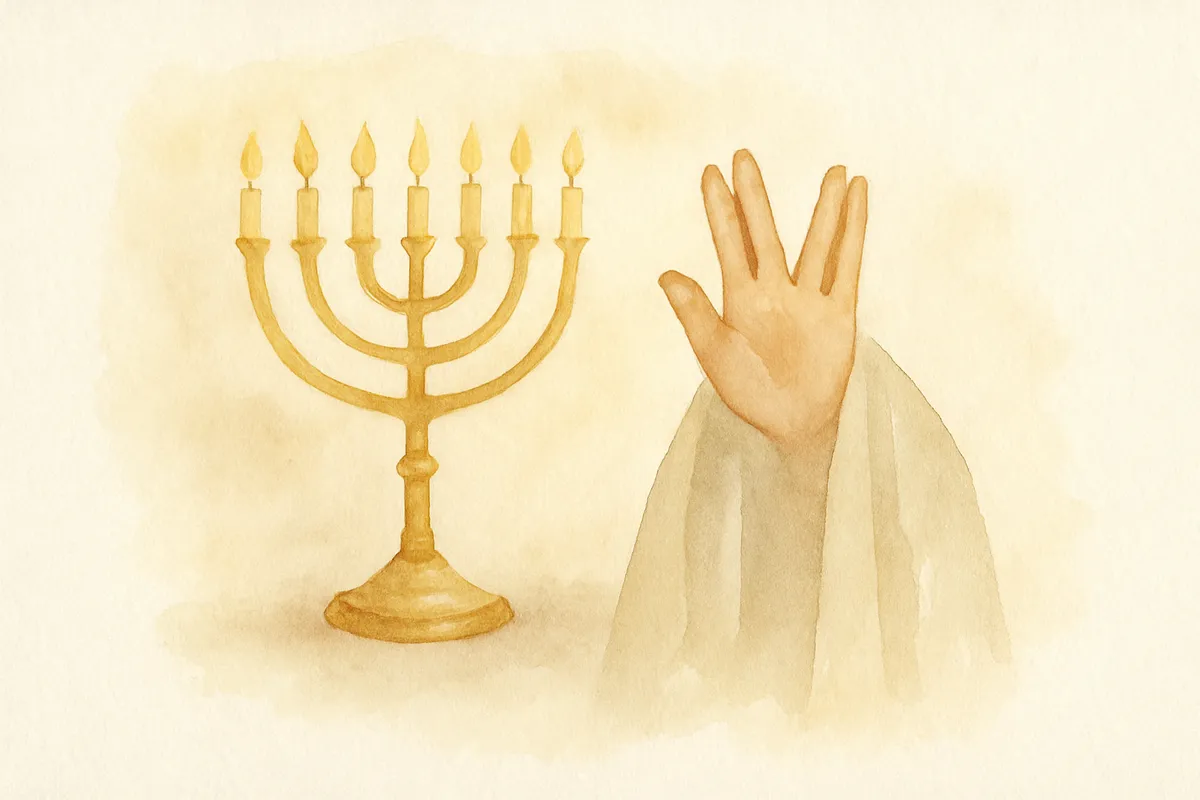
The Priestly Blessing (Birkat Kohanim, בִּרְכַּת כֹּהֲנִים) is a three-verse biblical blessing commanded by God to be recited by the Kohanim (priests) over the Jewish people. It originates in Numbers 6:22–27, where God instructs Moses to tell Aaron and his sons the precise words of the blessing, promising that He Himself will then bless the people. It remains one of the most ancient and sacred rituals in Jewish liturgy, practiced to this day.
Key Takeaways
- The blessing consists of three verses of 3, 5, and 7 words respectively, forming a crescendo of divine blessing.
- God commanded the Kohanim to bless Israel, but the Talmud emphasizes that the actual blessing comes from God Himself.
- There are significant differences in how the blessing is performed in the Temple versus outside it, and in Israel versus the Diaspora.
- Rabbi Yehoshua ben Levi teaches that a Kohen who blesses is himself blessed, while one who does not bless is not blessed.
- The blessing covers three fundamental gifts: protection, divine favor/grace, and peace.
The Biblical Source
The blessing is commanded in [Numbers 6:22–27]:
"יְבָרֶכְךָ֥ יְהֹוָ֖ה וְיִשְׁמְרֶֽךָ" "May the Lord bless you and protect you."
"יָאֵ֨ר יְהֹוָ֧ה פָּנָ֛יו אֵלֶ֖יךָ וִֽיחֻנֶּֽךָּ" "May the Lord shine His face toward you and be gracious to you."
"יִשָּׂ֨א יְהֹוָ֤ה פָּנָיו֙ אֵלֶ֔יךָ וְיָשֵׂ֥ם לְךָ֖ שָׁלֽוֹם" "May the Lord lift His face toward you and grant you peace."
The passage concludes: "They shall place My name upon the Children of Israel, and I will bless them" — meaning the Kohanim are the conduit, but God is the true source of blessing.
Structure and Meaning of the Three Verses
The three verses have a beautiful ascending structure:
- Verse 1 (3 Hebrew words): Material blessing and protection
- Verse 2 (5 Hebrew words): Spiritual illumination and divine grace (chein)
- Verse 3 (7 Hebrew words): The culminating gift of shalom (peace)
Rashi on Leviticus 9:22 identifies these three blessings explicitly: "יְבָרֶכְךָ, יָאֵר, יִשָּׂא" — the three key words that anchor each verse [Rashi, Leviticus 9:22].
Many commentators note that shalom (peace) is the apex of all blessings, as the Rabbis teach: "God found no vessel that holds blessing as well as peace" (kli machzik berachah k'shalom).
The Role of the Kohanim: Conduits, Not Sources
A crucial theological point is established in [Sotah 38b]:
Rabbi Yehoshua ben Levi teaches: "From where do we know that the Holy One, Blessed be He, desires (mit'aveh) the Priestly Blessing? — As it is written: 'They shall place My name upon the Children of Israel, and I will bless them'" [Sotah 38b].
This verse reveals that God Himself longs for the Kohanim to perform this blessing, and that the divine blessing follows the priestly one. The Kohanim do not bless from their own power — they invoke God's name, and He fulfills it.
Furthermore, Rabbi Yehoshua ben Levi adds: "Every Kohen who blesses is himself blessed, and one who does not bless is not blessed" [Sotah 38b]. This creates a remarkable reciprocity: the act of blessing others brings blessing upon oneself.
Differences: Temple vs. Outside; Israel vs. Diaspora
The Mishnah in [Sotah 7:6] outlines several key distinctions:
In the Temple (Beit HaMikdash):
- The three verses were recited as one continuous blessing (not three separate ones)
- God's name was pronounced as written (the Tetragrammaton, יהוה)
- The Kohanim raised their hands above their heads
- Exception: The High Priest (Kohen Gadol) did not raise his hands above the tzitz (forehead plate) — though Rabbi Yehudah disagrees, citing Aaron's own elevated gesture in Leviticus 9
Outside the Temple (BaMedinah):
- The blessing is said as three separate blessings
- God's name is pronounced with the substitute (Adonai)
- The Kohanim raise their hands only to shoulder height
When and How It Is Performed Today
In standard halachic practice today:
- In Israel: Birkat Kohanim is performed every day during Shacharit (morning prayer), and on Musaf of Shabbat and Yom Tov.
- In the Diaspora: The widespread custom (minhag) is to perform it only on Yom Tov (holidays), though some Sephardic and Yemenite communities maintain the daily practice even in the Diaspora.
- The Kohanim face the congregation, spread their fingers in a specific pattern (forming the letter shin), and chant each word after the shaliach tzibur (prayer leader).
- The congregation keeps their eyes downcast or covered, as the Shekhinah (Divine Presence) rests upon the hands of the Kohanim (a teaching from the Zohar and Talmudic tradition).
Birkat Kohanim in the Rosh Hashanah Musaf
The [Mishnah Rosh Hashanah 4:5] describes the Birkat Kohanim as integrated into the special Musaf Amidah structure of Rosh Hashanah, occurring within the blessings of Malkhuyot, Zikhronot, and Shofarot — connecting the priestly blessing to themes of divine sovereignty and remembrance.
A Note on Sensitivity
The blessing is considered so sacred that the Mishnah [Megillah 4:10] rules that the Ma'aseh David v'Amnon (the story of Amnon and Tamar) may not be read publicly — grouped among passages too sensitive for public recitation. Interestingly, Birkat Kohanim itself is listed there as not being translated into Aramaic (targum) during synagogue reading — indicating its elevated, almost untranslatable sanctity.
For personal guidance on halachic questions regarding Birkat Kohanim — such as whether a Kohen with a disqualifying factor may duchen, or questions about Diaspora practice — consult your local rabbi or posek.
Sources
People Also Asked
Want to dig deeper?