What is the minimum amount of kiddish I need to drink at night and by day
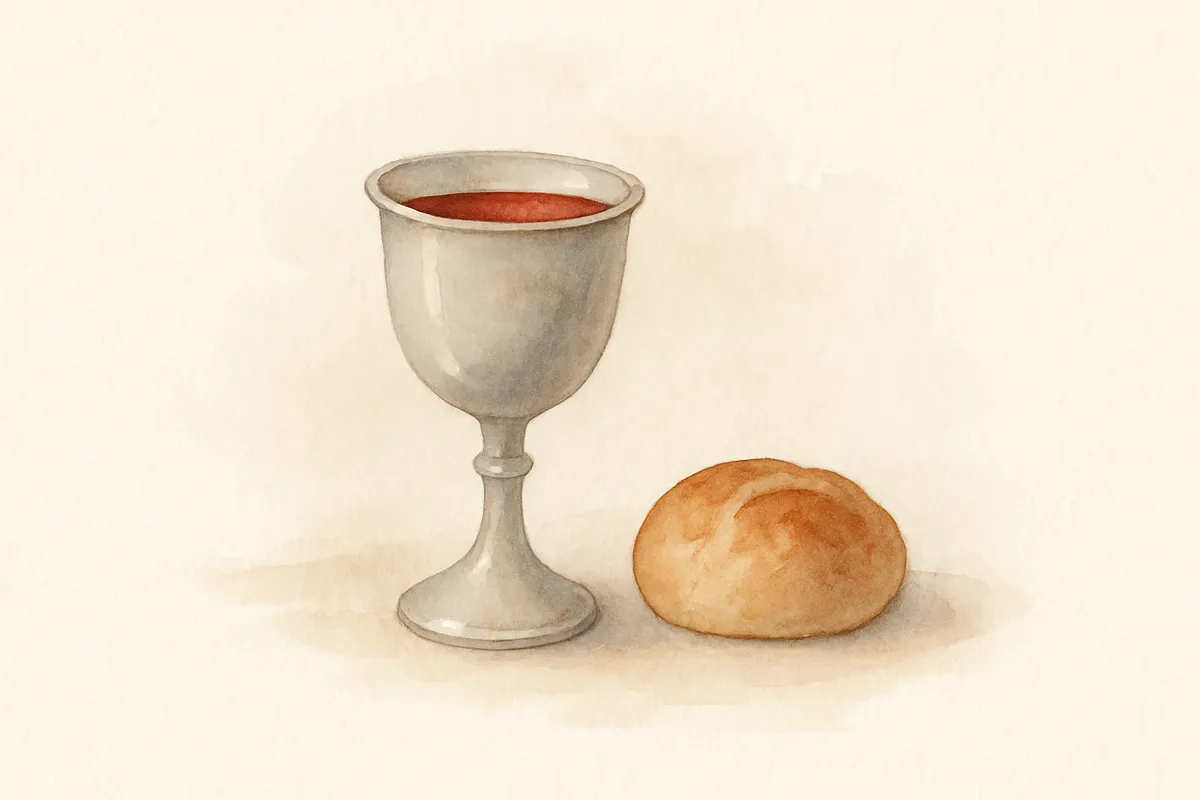
The minimum amount of wine required for Kiddush (sanctification over wine) is melo lugmav (מְלֹא לוּגְמָיו) — a cheekful — both at night and by day. This is typically defined as the majority of a revi'it (approximately 1.5–2 fl. oz., or 44–86 ml, depending on the authority), though one must drink at least this amount to fulfill the obligation properly.
Key Takeaways
- The minimum drink for Kiddush is מְלֹא לוּגְמָיו (melo lugmav, a cheekful), which equals the majority of a revi'it.
- This minimum applies both to Friday night Kiddush and Shabbat day Kiddush (Kiddush Rabbah).
- Drinking this amount also triggers the obligation to recite an after-blessing (Bracha Acharona).
- The person reciting Kiddush must drink the minimum; others fulfilling their obligation through him ideally should drink some as well.
- The wine used must be valid — not wine with a bad smell or turned to vinegar.
Detailed Answer
The Source of the Obligation
The mitzvah of Kiddush is derived from the Torah verse [Exodus 20:8]: "זָכוֹר אֶת יוֹם הַשַּׁבָּת לְקַדְּשׁוֹ" — "Remember the Sabbath day to sanctify it." The Rabbis understood "remembering" to mean verbal declaration, and they connected this to wine.
The foundational text for the blessing over Shabbat is [Genesis 2:1-3], the passage of Vayechulu, which describes God's completion and sanctification of the seventh day.
The Measurement: Melo Lugmav
The Shulchan Arukh, Orach Chayim 271 establishes the laws of Kiddush over wine. The key measurement discussed throughout the poskim (halachic authorities) is:
- מְלֹא לוּגְמָיו (melo lugmav) — literally "a cheekful," meaning enough wine to fill one cheek when held to the side.
- The Talmud defines this as the majority of a revi'it (רֹב רְבִיעִית).
- A revi'it is approximately 86 ml (3 fl. oz.) according to Rav Chaim Naeh, and approximately 150 ml (5 fl. oz.) according to the Chazon Ish. The majority of a revi'it is accordingly approximately 43–75 ml.
- In practice, most Ashkenazic authorities use the measure of approximately 44–56 ml as the working minimum.
Why This Amount Matters: The Connection to the After-Blessing
The Taz (Turei Zahav) on Shulchan Arukh, Orach Chayim 273:4 explicitly connects the required drinking amount to the Bracha Acharona (after-blessing):
"והך ששייך עליו ברכה פי' ברכה אחרונה שצריכה שיעור אבל ברכה ראשונה אפי' כל שהוא חייב" "The blessing that is relevant here means the after-blessing, which requires a minimum measure. But the first blessing [before drinking] applies even for the smallest amount."
[Turei Zahav, Orach Chayim 273:4]
This is an important distinction:
- You need any amount to require a Bracha Rishona (blessing before drinking).
- You need melo lugmav to trigger a Bracha Acharona (blessing after) — and this same measure is the minimum to properly fulfill Kiddush.
Night vs. Day Kiddush
| | Leil Shabbat (Friday Night) | Yom Shabbat (Shabbat Day — Kiddush Rabbah) | |---|---|---| | Blessing recited | Full Kiddush with Vayechulu | Abbreviated Kiddush (Kiddush Rabbah) | | Minimum to drink | Melo lugmav | Melo lugmav | | Must be at a meal | Yes (Kiddush b'makom seudah) | Yes |
Both require the same minimum drinking measure. [Shulchan Arukh, Orach Chayim 271]
Who Must Drink?
- The one reciting Kiddush must drink melo lugmav.
- According to most poskim, if listeners wish to fulfill their obligation, they should also drink some wine, though the reciter's drinking is primary.
- The Taz also rules (based on his analysis in OC 273:4) that ideally the reciter should drink a full melo lugmav on their own, separate from just tasting the cup.
Valid Wine
The Shulchan Arukh, Orach Chayim 272 specifies that Kiddush may not be recited on:
- Wine with a bad smell (rei'acho ra)
- Uncovered wine (yayin megulle)
- Wine whose smell has turned to vinegar
Valid wines include wine directly pressed from grapes, wine with sediment, dark wine, sweet wine, and wine that smells like vinegar but tastes like wine [Shulchan Arukh, OC 272].
For personal guidance on the exact measurements and practice in your community, consult your local rabbi or posek.
Sources
People Also Asked
Want to dig deeper?