What is the Kapparot prayer?
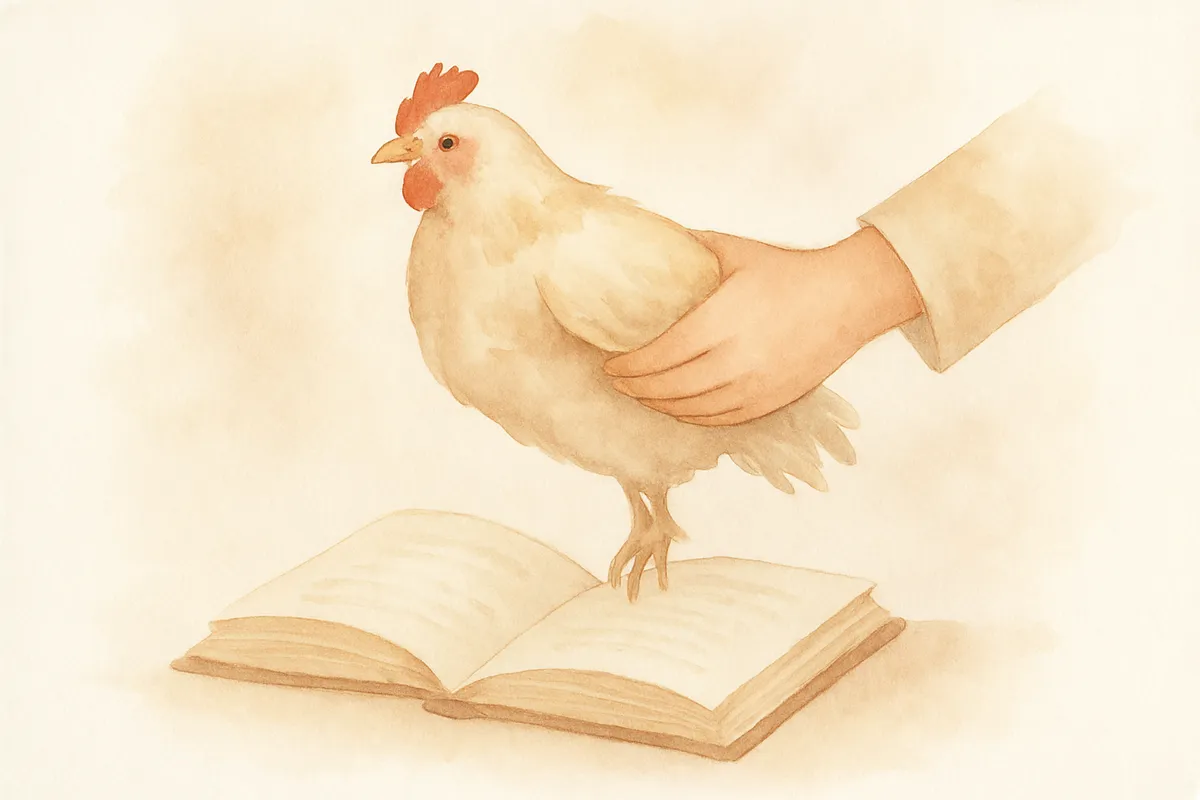
The Kapparot (כַּפָּרוֹת) ceremony is a Jewish custom performed on the eve of Yom Kippur in which a person symbolically transfers their sins to a rooster (or hen, for women), which is then slaughtered and given to charity. The central prayer recited during the ceremony invokes the concept of substitution — that the animal's fate should stand in place of any harsh decree upon the person. While widely practiced, it is a minhag (custom) rather than a biblical commandment.
Key Takeaways
- Kapparot is a pre-Yom Kippur custom, not a Torah-level obligation, involving the waving of a chicken (or money) as a symbolic atonement rite.
- The prayer recited centers on the phrase "זֶה חֲלִיפָתִי" (zeh chalifati) — "This is my substitute, my exchange."
- The custom has kabbalistic roots, connected to the teachings of the Arizal (Rabbi Isaac Luria), as cited in Shenei Luchot HaBerit.
- There is significant halachic debate about the validity and propriety of this custom.
- Yom Kippur atones only when accompanied by genuine teshuva (repentance); no ritual substitutes for that inner work.
The Kapparot Prayer Text
The core liturgical text recited during Kapparot is:
"זֶה חֲלִיפָתִי, זֶה תְּמוּרָתִי, זֶה כַּפָּרָתִי. זֶה הַתַּרְנְגוֹל יֵלֵךְ לְמִיתָה, וַאֲנִי אֵלֵךְ לְחַיִּים טוֹבִים אֲרוּכִּים וּלְשָׁלוֹם." "This is my substitute, this is my exchange, this is my atonement. This rooster shall go to death, and I shall go to a good, long life and to peace."
Before this, a passage from Psalms 107 and Job 33:23–24 is often recited, speaking of one who faces death but finds a messenger to advocate for him, and God shows mercy.
The Kabbalistic Foundation
The custom is deeply rooted in Kabbalistic tradition. The Shenei Luchot HaBerit (Shelah HaKadosh) cites a pamphlet from students of the Arizal (Rabbi Isaac Luria) describing how it was the Ari's practice to slaughter a white rooster on the eve of Yom Kippur after the Selichot prayers [Shenei Luchot HaBerit, Aseret HaDibrot, Yoma, Torah Ohr 1].
The Shelah explains the mystical dimension: the Hebrew word for rooster, tarnegol (תַּרְנְגוֹל), shares a root with gever (גֶּבֶר, "man"), and the slaughter symbolizes the "sweetening" (hamtakat) of harsh divine judgments (gevurot) associated with the sefirah of Yesod. The ninth day of Tishrei (Erev Yom Kippur) corresponds to Yesod in the kabbalistic scheme.
Halachic Debate: Is Kapparot Valid?
This is one of the more contested customs in halachic literature.
Those Who Opposed It
- Ramban (Nachmanides) and Rashba (Rabbi Shlomo ibn Aderet) were critical, concerned that Kapparot resembled forbidden practices (darkei ha'Emori, or "ways of the Amorites") and could be confused with sacrificial offerings outside the Temple.
- Shulchan Arukh (Orach Chayim 605) — Rabbi Yosef Karo calls it a minhag shtut (foolish custom) and discourages it.
Those Who Supported It
- Rama (Rabbi Moshe Isserles), in his gloss to the Shulchan Arukh, defends the custom as a legitimate and widespread Ashkenazic practice that should be maintained.
- Many later Ashkenazic authorities followed the Rama's ruling, making Kapparot a standard Ashkenazic minhag.
The Money Alternative
Because of the above objections, many authorities — including Sephardic communities — perform Kapparot with money rather than a chicken. A coin or sum is waved while reciting the same prayer, then donated to charity (tzedakah). This avoids the concerns about resemblance to sacrifice while still fulfilling the spirit of the custom.
The Deeper Purpose: Teshuva, Not Magic
It is critical to understand that Kapparot is not meant to be a mechanical transfer of sin. The Mishnah Yoma makes clear: "עֲבֵרוֹת שֶׁבֵּין אָדָם לַמָּקוֹם, יוֹם הַכִּפּוּרִים מְכַפֵּר" — "Sins between a person and God, Yom Kippur atones for" — but only with teshuva [Mishnah Yoma 8:9].
The Mishnah also explicitly states: "הָאוֹמֵר, אֶחֱטָא וְיוֹם הַכִּפּוּרִים מְכַפֵּר, אֵין יוֹם הַכִּפּוּרִים מְכַפֵּר" — "One who says 'I will sin and Yom Kippur will atone' — Yom Kippur does not atone" [Mishnah Yoma 8:9]. This principle applies all the more so to Kapparot.
The Sefer HaChinuch emphasizes that commandments and rituals — even tefillin and the lulav — are not for God's benefit but "לְרַחֵם עַל נַפְשׁוֹתֵינוּ" — "to have mercy upon our own souls" [Sefer HaChinuch 545:8]. Kapparot is best understood as a psychological and spiritual trigger to awaken genuine teshuva.
For personal guidance on whether and how to perform Kapparot, consult your local rabbi or posek.
Sources
People Also Asked
Want to dig deeper?