What is the Jewish prayer for healing (Mi Sheberach)?
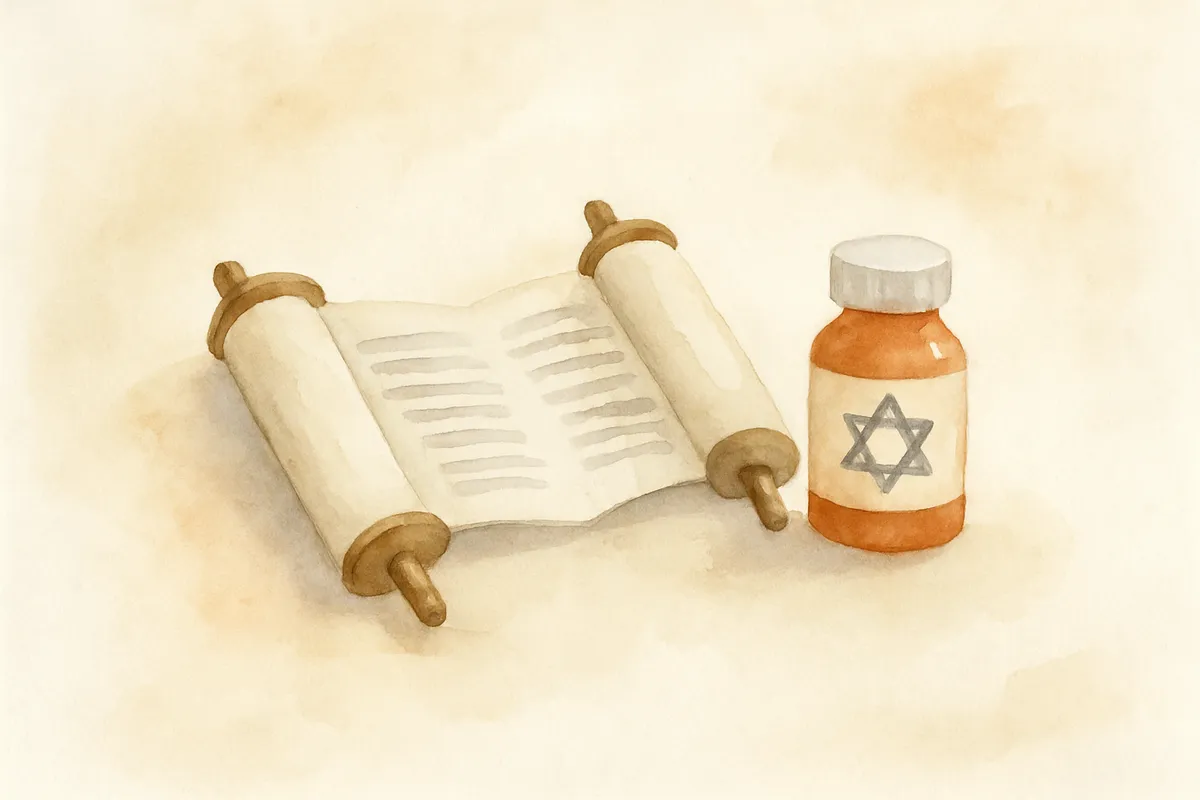
The Mi Sheberach (מִי שֶׁבֵּרַךְ — "May the One Who Blessed") is a traditional Jewish prayer for healing recited on behalf of the sick. It invokes the merit of the patriarchs and matriarchs and asks God to send a refuah shleimah (רְפוּאָה שְׁלֵמָה — "complete healing") — encompassing both physical and spiritual recovery. It is most commonly recited during the Torah reading on Shabbat and weekdays.
Key Takeaways
- The Mi Sheberach opens by invoking God's blessings upon the patriarchs Abraham, Isaac, Jacob, Moses, Aaron, David, and Solomon.
- It requests a refuah shleimah — a complete healing of both body and soul (refuat hanefesh u'refuat haguf).
- The prayer is typically recited after someone is called to the Torah (aliyah), often in exchange for a pledge of tzedakah (charity).
- On Shabbat, a special phrase is added acknowledging that Shabbat is not a time for crying out, yet healing is near.
- Separate versions exist for men and women, with the grammatical forms adjusted accordingly.
The Full Text and Translation
The Ashkenazic version of the Mi Sheberach for the sick reads as follows [Siddur Ashkenaz, Torah Reading, Mi Sheberach for Sickness]:
For a man:
מִי שֶׁבֵּרַךְ אֲבוֹתֵינוּ אַבְרָהָם יִצְחָק וְיַעֲקֹב מֹשֶׁה וְאַהֲרֹן דָּוִד וּשְׁלֹמֹה הוּא יְבָרֵךְ אֶת הַחוֹלֶה [פלוני בן פלוני] בַּעֲבוּר שֶׁ[פלוני] נוֹדֵר צְדָקָה בַּעֲבוּרוֹ, בִּשְׂכַר זֶה הַקָּדוֹשׁ בָּרוּךְ הוּא יִמָּלֵא רַחֲמִים עָלָיו לְהַחֲלִימוֹ וּלְרַפְּאתוֹ וּלְהַחֲזִיקוֹ וּלְהַחֲיוֹתוֹ, וְיִשְׁלַח לוֹ מְהֵרָה רְפוּאָה שְׁלֵמָה מִן הַשָּׁמַיִם לִרְמַ"ח אֵבָרָיו וּשְׁסָ"ה גִּידָיו בְּתוֹךְ שְׁאָר חוֹלֵי יִשְׂרָאֵל, רְפוּאַת הַנֶּפֶשׁ וּרְפוּאַת הַגּוּף
"May the One Who Blessed our fathers Abraham, Isaac, and Jacob, Moses and Aaron, David and Solomon — may He bless the sick person [name] because [the one making the pledge] vows charity on his behalf. In this merit, may the Holy One, Blessed be He, be filled with compassion for him, to heal him, to cure him, to strengthen him, and to revive him. And may He send him speedily a complete recovery from heaven — for his 248 limbs and 365 sinews — among all the sick of Israel: a healing of soul and a healing of body."
On Shabbat, the following is added:
שַׁבָּת הִיא מִלִּזְעוֹק וּרְפוּאָה קְרוֹבָה לָבוֹא "Shabbat prevents us from crying out, yet healing is soon to come."
For a woman, the prayer uses feminine grammatical forms throughout — הַחוֹלָה (the sick woman) instead of הַחוֹלֶה, and the verbs are adjusted accordingly [Siddur Ashkenaz, Mi Sheberach for Sickness (woman)].
Structure and Key Elements
1. Invoking the Patriarchs
The prayer opens with "Mi Sheberach avoteinu" — "May the One Who Blessed our fathers." This rhetorical formula appears across many Jewish liturgical contexts [Sources 2–5], including blessings for communities, soldiers, and captives. It frames all blessing as flowing from God's covenant with the ancestors.
2. The Pledge of Tzedakah
A central feature of the prayer is the pledge of charity (tzedakah) made by the one requesting the blessing. This reflects the Torah principle that acts of righteousness can activate divine mercy — rooted in verses like [Deuteronomy 11:13]: "If you will hearken to My commandments... to love the LORD your God and to serve Him with all your heart and all your soul."
3. The 248 Limbs and 365 Sinews
The prayer asks for healing of all 248 limbs (eivarim) and 365 sinews (gidim). These numbers are significant throughout rabbinic literature — they correspond to the 248 positive commandments (mitzvot aseh) and 365 negative commandments (mitzvot lo ta'aseh), suggesting a deep connection between bodily wholeness and spiritual wholeness [based on rabbinic tradition, Makkot 23b].
4. Refuat Hanefesh u'Refuat Haguf
The dual request — healing of the soul and healing of the body — reflects the Jewish understanding that illness affects the whole person. The Ramban (Nachmanides), in his Torat HaAdam, emphasizes that spiritual well-being and physical health are intertwined.
5. The Shabbat Addition
The phrase added on Shabbat — "Shabbat hi mi-liz'ok" — reflects a halachic and spiritual tension: Shabbat is a day of peace on which one does not formally cry out in distress, yet the very holiness of Shabbat brings healing closer. This reflects the Talmudic idea that Shabbat is me'ein olam haba — a foretaste of the World to Come [Berachot 57b].
When and How It Is Recited
- Timing: Traditionally recited during the Torah reading (keriat haTorah), after a person receives an aliyah.
- Custom: The gabbai (synagogue sexton) typically recites it aloud on behalf of those who request it.
- Name format: The sick person is called by their Hebrew name along with their mother's name (e.g., Yosef ben Miriam) — the use of the mother's name follows Kabbalistic sources rooted in Psalms 116:16.
- Women: May also request the prayer for themselves or others, and many communities recite it for multiple individuals at once.
For personal guidance on halachic matters related to this prayer or its recitation, consult your local rabbi or posek.
Sources
People Also Asked
Want to dig deeper?