What is the Jewish morning prayer (Shacharit)?
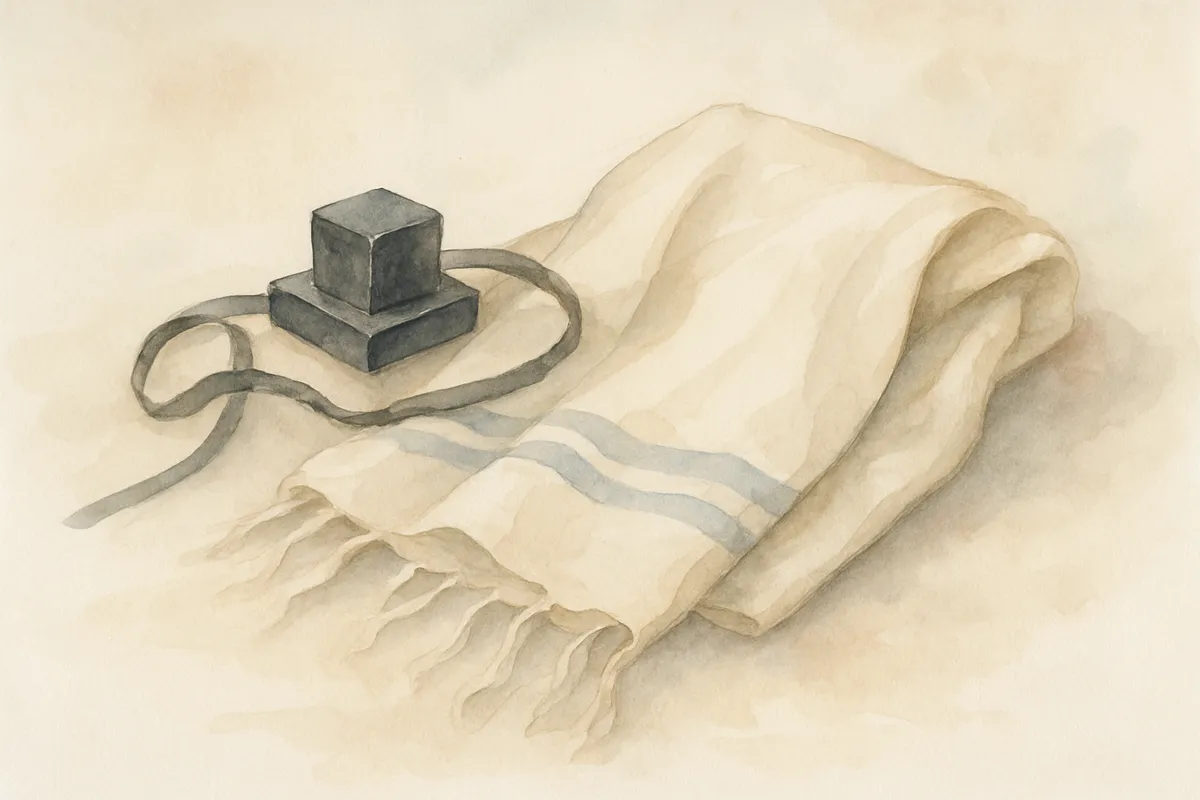
Shacharit (שַׁחֲרִית, "morning prayer") is the daily morning prayer service in Judaism, recited each day after dawn. It is one of the three obligatory daily prayers — alongside Mincha (afternoon) and Maariv (evening) — and was instituted by the patriarch Abraham, who established the practice of approaching God at the break of day.
Key Takeaways
- Shacharit was instituted by Abraham (Avraham Avinu) and corresponds to the morning hours, from sunrise until the end of the fourth halachic hour of the day.
- One may not eat, work, or greet others before reciting Shacharit — prayer takes priority over all daily activities.
- The ideal time is from sunrise (hanetz hachama); in exigent circumstances, it may be recited from alot hashachar (dawn).
- If prayed late, one may still fulfill the obligation until halachic midday (chatzot), though not at the preferred time.
- The prayer expresses the unity of God (yichud Hashem) and is understood spiritually as "fixing the root" of all the mitzvot in the supernal realm.
The Origin of Shacharit
Abraham and the Morning Prayer
The Talmud teaches that each of the three daily prayers was established by one of the three patriarchs. Shacharit was established by Abraham, derived from the verse:
"וַיַּשְׁכֵּם אַבְרָהָם בַּבֹּקֶר אֶל הַמָּקוֹם אֲשֶׁר עָמַד שָׁם" — "And Abraham rose early in the morning to the place where he had stood" (Genesis 19:27).
The word "stood" (amad) is interpreted as a reference to prayer [Berakhot 26b].
The Kedushat Levi (R. Levi Yitzchak of Berditchev) notes this explicitly:
"אברהם תיקן תפילת שחרית כמו שאמר הכתוב וישכם אברהם בבוקר ויעמוד במקום שעמד שם" — "Abraham instituted the morning prayer, as the verse states: 'And Abraham arose early in the morning and stood at the place where he had stood.'" [Kedushat Levi, Genesis, Chayei Sara 27]
Peninei Halakhah elaborates on this connection:
"Avraham Avinu initiated the Shacharit morning prayer. He was the one who originally illuminated the world with his belief, and accordingly set the time of his prayer when the sun starts to rise." [Peninei Halakhah, Prayer 1:7:2]
This is also reflected in the Siddur Edot HaMizrach, which introduces Shacharit with a kavanah (intention):
"הִנֵּה אֲנַחְנוּ בָּאִים לְהִתְפַּלֵּל תְּפִלַּת שַׁחֲרִית, שֶׁתִּקֵּן אַבְרָהָם אָבִינוּ עָלָיו הַשָּׁלוֹם" — "Behold, we come to pray the morning prayer which our patriarch Abraham, peace be upon him, established." [Siddur Edot HaMizrach, Weekday Shacharit 3]
The Times of Shacharit
Ideal and Acceptable Times
The Sefer HaChinukh outlines the halachic time parameters clearly:
"תְּפִלַּת הַשַּׁחַר מֵהַנֵּץ הַחַמָּה עַד סוֹף שָׁעָה רְבִיעִית, וּמִי שֶׁעָבַר וְהִתְפַּלֵּל אַחַר כֵּן עַד חֲצוֹת יָצָא יְדֵי חוֹבַת תְּפִלָּה, אֲבָל לֹא חוֹבַת תְּפִלָּה בִּזְמַנָּהּ" — "The morning prayer [is recited] from sunrise until the end of the fourth hour. One who prayed after that until midday fulfills the obligation of prayer, but not the obligation of prayer at its proper time." [Sefer HaChinukh 433:6]
In summary:
- Optimal (lechatchila): From hanetz hachama (sunrise) through the end of the 4th halachic hour
- After the fact (bediavad): Until chatzot (halachic midday) — one fulfills the obligation but misses the preferred time
- In pressing circumstances: From alot hashachar (dawn) — one fulfills the obligation
Restrictions Before Shacharit
The Rambam rules that one must prioritize prayer above all other morning activities:
"אָסוּר לוֹ לְאָדָם שֶׁיִּטְעֹם כְּלוּם אוֹ שֶׁיַּעֲשֶׂה מְלָאכָה, מֵאַחַר שֶׁיַּעֲלֶה עַמּוּד הַשַּׁחַר, עַד שֶׁיִּתְפַּלֵּל תְּפִלַּת שַׁחֲרִית" — "It is forbidden for a person to eat or do work after dawn until he prays Shacharit; similarly one should not go to a friend's door to greet him, and one should not travel before praying." [Mishneh Torah, Prayer and the Priestly Blessing 6:4]
The Sefer HaChinukh echoes this, emphasizing the spiritual rationale:
"וְצָרִיךְ כָּל אָדָם לְהַזָּהֵר שֶׁיִּתְפַּלֵּל קֹדֶם שֶׁיִּתְעַסֵּק בִּמְלָאכוֹת אֲחֵרוֹת, כְּדֵי שֶׁלֹּא יִפְשַׁע" — "Every person must be careful to pray before engaging in other activities, so that he does not sin." [Sefer HaChinukh 433:6]
The Spiritual Meaning of Shacharit
Beyond its legal dimension, Shacharit carries deep kavanah (intentionality). The Sephardic/Mizrachi tradition introduces the prayer with a declaration of yichud (Divine unification):
"לְשֵׁם יִחוּד קֻדְשָׁא בְּרִיךְ הוּא וּשְׁכִינְתֵּיהּ... לְתַקֵּן אֶת שָׁרְשָׁהּ בְּמָקוֹם עֶלְיוֹן, לַעֲשׂוֹת נַחַת רוּחַ לְיוֹצְרֵנוּ וְלַעֲשׂוֹת רְצוֹן בּוֹרְאֵנוּ" — "For the sake of the unification of the Holy One, Blessed be He, and His Shekhinah... to fix its root in the supernal place, to bring satisfaction to our Creator and to fulfill the will of our Maker." [Siddur Edot HaMizrach, Weekday Shacharit 3]
This reflects the Kabb
Sources
People Also Asked
Want to dig deeper?