What is shabbat?
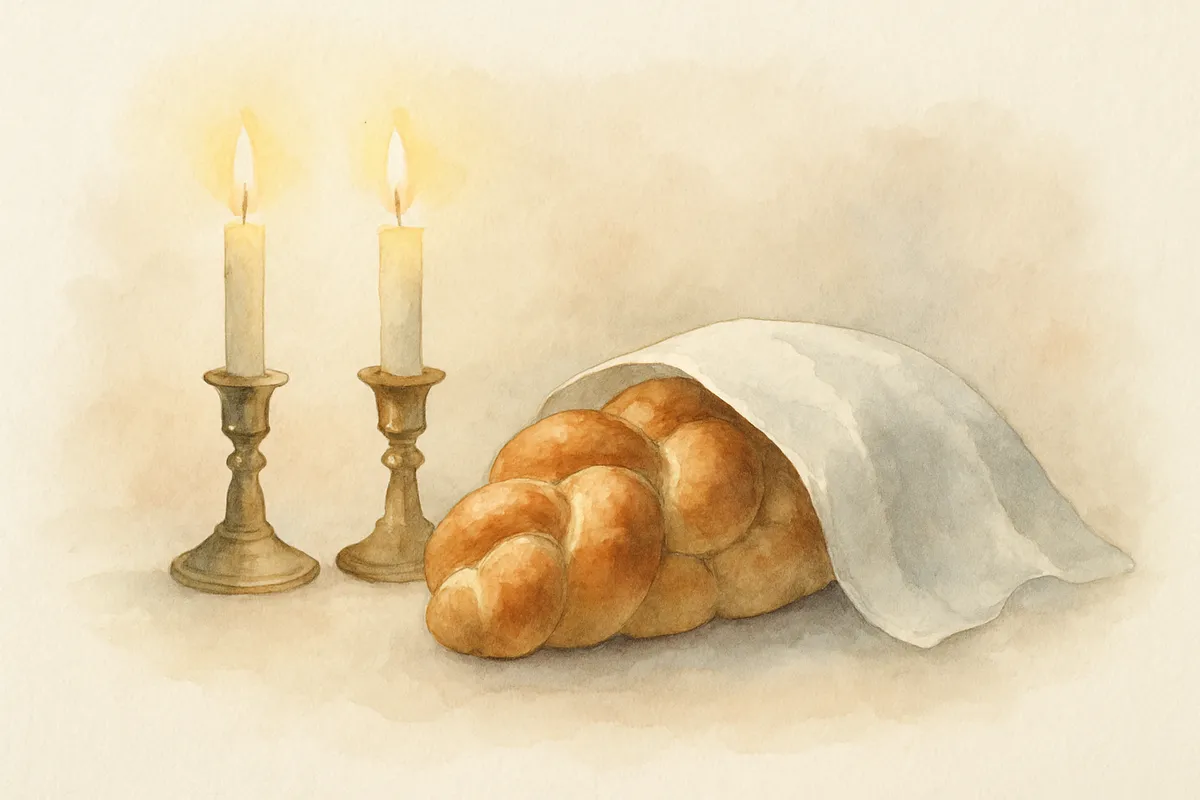
Shabbat (שַׁבָּת) is the Jewish day of rest, observed every week from Friday at sunset until Saturday night. It is one of the most fundamental institutions in Judaism — rooted in Creation itself, commanded in the Ten Commandments, and saturated with spiritual significance as a "foretaste of the World to Come."
Key Takeaways
- Shabbat is a Biblical commandment (Torah-level mitzvah) to rest on the seventh day of the week.
- It is grounded in two foundations: God's rest after Creation (Genesis) and the Exodus from Egypt (Deuteronomy).
- Shabbat is marked by Kiddush (sanctification) at its entrance and Havdalah (separation) at its exit.
- Prohibited on Shabbat are 39 categories of creative labor (melachot), derived from the work done to build the Mishkan (Tabernacle).
- Shabbat is described by the rabbis as me'ein Olam HaBa — "a taste of the World to Come."
The Biblical Foundation of Shabbat
Rooted in Creation
The Torah traces Shabbat all the way back to the first week of existence. After six days of Creation, the Torah states:
"וַיְבָרֶךְ אֱלֹהִים אֶת־יוֹם הַשְּׁבִיעִי וַיְקַדֵּשׁ אֹתוֹ כִּי בוֹ שָׁבַת מִכָּל־מְלַאכְתּוֹ אֲשֶׁר־בָּרָא אֱלֹהִים לַעֲשׂוֹת׃" "God blessed the seventh day and sanctified it, because on it He rested from all His work that God created to do." [Genesis 2:3]
This verse establishes three defining features of Shabbat: it is blessed, it is holy (kadosh), and it is defined by rest (shevita).
Commanded at Sinai
The commandment is made explicit in the Ten Commandments:
"זָכוֹר אֶת־יוֹם הַשַּׁבָּת לְקַדְּשׁוֹ... וְיוֹם הַשְּׁבִיעִי שַׁבָּת לַיהֹוָה אֱלֹהֶיךָ לֹא־תַעֲשֶׂה כׇל־מְלָאכָה" "Remember the Sabbath day to sanctify it... The seventh day is Sabbath to the Lord your God — you shall do no manner of work." [Exodus 20:8–10]
The Torah then connects this back to Creation: "כִּי שֵׁשֶׁת יָמִים עָשָׂה יְהֹוָה... וַיָּנַח בַּיּוֹם הַשְּׁבִיעִי" — "For in six days God made the heavens and the earth... and He rested on the seventh day." [Exodus 20:11]
The Halachic Framework: Kiddush and Havdalah
Rambam (Maimonides) in the Mishneh Torah codifies the Biblical obligation clearly:
"מִצְוַת עֲשֵׂה מִן הַתּוֹרָה לְקַדֵּשׁ אֶת יוֹם הַשַּׁבָּת בִּדְבָרִים... זָכְרֵהוּ זְכִירַת שֶׁבַח וְקִדּוּשׁ. וְצָרִיךְ לְזָכְרֵהוּ בִּכְנִיסָתוֹ וּבִיצִיאָתוֹ. בִּכְנִיסָתוֹ בְּקִדּוּשׁ הַיּוֹם וּבִיצִיאָתוֹ בְּהַבְדָּלָה" "It is a positive Torah commandment to sanctify Shabbat with words... Remember it with praise and sanctification. One must remember it at its entrance and its exit — at its entrance with Kiddush, and at its exit with Havdalah." [Mishneh Torah, Hilchot Shabbat 29:1]
This gives us the two bookends of Shabbat:
- Kiddush (קִדּוּשׁ) — recited over wine Friday night, declaring the day's holiness
- Havdalah (הַבְדָּלָה, "separation") — recited Saturday night, distinguishing the holy from the mundane
What Is Prohibited on Shabbat?
The 39 melachot (categories of forbidden labor) are derived Talmudically from the types of work performed in building the Mishkan (Tabernacle) [Shabbat 73a]. These include activities such as:
- Plowing, planting, harvesting (agricultural work)
- Writing, erasing, building, demolishing
- Kindling and extinguishing fire
- Carrying in a public domain
In the modern era, rabbinical authorities have extended these principles to cover electricity, driving, cooking, and many other activities.
The Spiritual Dimension of Shabbat
Beyond the legal framework, Shabbat carries enormous theological and spiritual meaning:
- Testimony to Creation: By resting, a Jew testifies that God created the world in six days [Exodus 20:11].
- Sign of the Covenant: Shabbat is called an ot (sign) between God and Israel [Exodus 31:17].
- Taste of Eternity: The Talmud calls Shabbat "מעין עולם הבא" — "me'ein Olam HaBa" (a foretaste of the World to Come) [Berachot 57b].
- Delight (Oneg): The prophet Isaiah calls for Oneg Shabbat (שַׁבָּת עֹנֶג) — taking pleasure and delight in the day [Isaiah 58:13].
For personal halachic guidance on Shabbat observance, consult your local rabbi or posek.
Sources
People Also Asked
Want to dig deeper?