What is prayer for tzitzit?
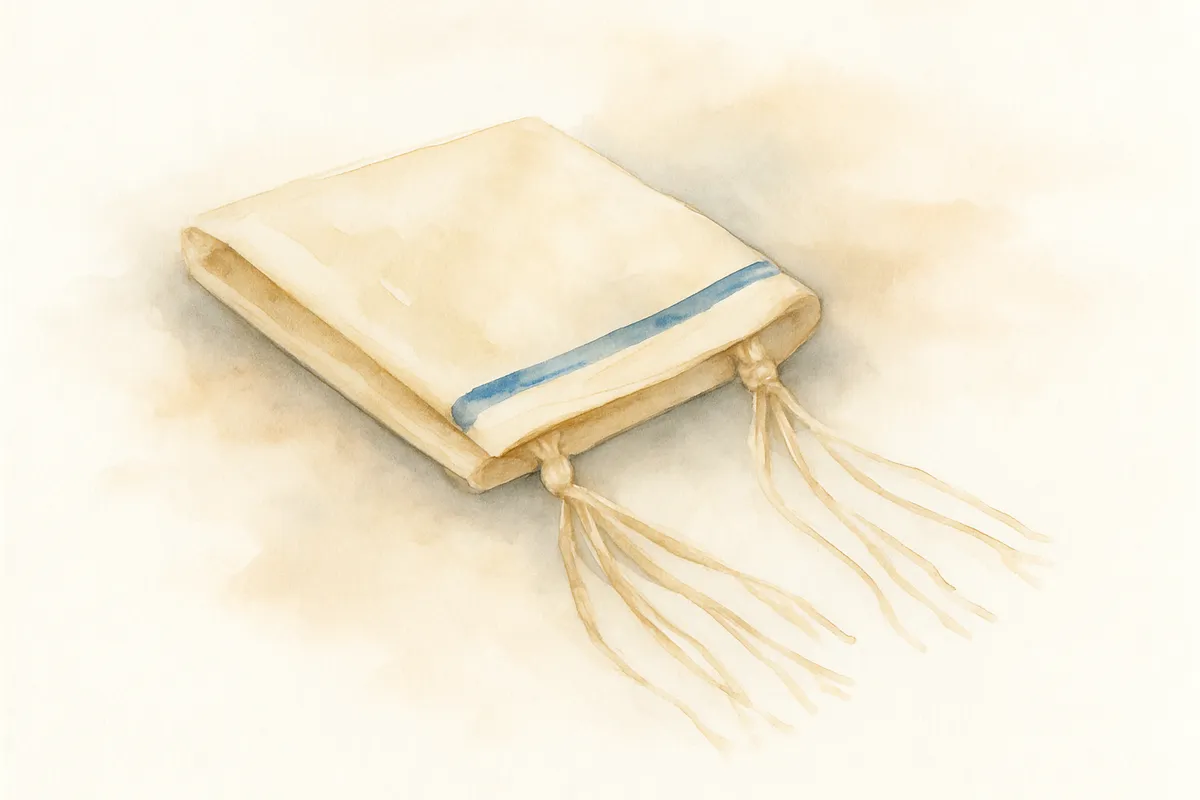
The blessing (bracha) recited over tzitzit (fringes) is "Blessed are You, Lord our God, King of the universe, who has sanctified us with His commandments and commanded us to wrap ourselves in tzitzit" (לְהִתְעַטֵּף בַּצִּיצִית — le-hitatef ba-tzitzit). This blessing is recited in the morning when there is enough daylight to distinguish between the blue (techelet) and white strands. There is no separate "prayer" for tzitzit — rather, the act of wearing tzitzit is itself connected to the recollection of all the commandments.
Key Takeaways
- The blessing over tzitzit uses the formula le-hitatef ba-tzitzit ("to wrap in tzitzit"), reflecting the original practice of wearing a large, wrapped four-cornered garment.
- The blessing may only be recited during the day, when there is enough light to distinguish the strands — not at night.
- One may wear tzitzit at night, but without a blessing.
- The purpose of tzitzit is to serve as a visual reminder of all God's commandments and to guard against following one's heart and eyes.
- The tallit katan (small garment worn under clothing) was introduced by the Rishonim so that men could fulfill the mitzvah of tzitzit even after four-cornered garments fell out of common use.
The Biblical Source of Tzitzit
The Torah command appears in two places:
Numbers 15:38–40:
וְעָשׂ֨וּ לָהֶ֥ם צִיצִ֛ת עַל־כַּנְפֵ֥י בִגְדֵיהֶ֖ם לְדֹרֹתָ֑ם... וּרְאִיתֶ֣ם אֹת֗וֹ וּזְכַרְתֶּם֙ אֶת־כׇּל־מִצְוֺ֣ת יְהֹוָ֔ה "They shall make for themselves fringes on the corners of their garments throughout their generations... and you shall see it and remember all the commandments of the Lord." [Numbers 15:38–40]
Deuteronomy 22:12:
גְּדִלִ֖ים תַּעֲשֶׂה־לָּ֑ךְ עַל־אַרְבַּ֛ע כַּנְפ֥וֹת כְּסוּתְךָ֖ "You shall make twisted cords (gedilim) on the four corners of your garment." [Deuteronomy 22:12]
These two verses together establish the obligation: a four-cornered garment requires fringes attached to each corner.
The Blessing: Text and Timing
The Blessing Formula
The blessing recited is:
בָּרוּךְ אַתָּה יְהֹוָה אֱלֹהֵינוּ מֶלֶךְ הָעוֹלָם אֲשֶׁר קִדְּשָׁנוּ בְּמִצְוֹתָיו וְצִוָּנוּ לְהִתְעַטֵּף בַּצִּיצִית "Blessed are You, Lord our God, King of the universe, who has sanctified us with His commandments and commanded us to wrap ourselves in tzitzit."
[Mishneh Torah, Fringes 3:8]
When to Recite the Blessing
The Rambam (Maimonides) rules clearly:
"When should the blessing over tzitzit be recited in the morning? When [the sun has risen so] that one can differentiate between the strands of techelet and those which are white." [Mishneh Torah, Fringes 3:8]
This timing requirement derives from the nature of tzitzit itself — since the mitzvah requires seeing the fringes (Numbers 15:39: "you shall see it"), it is classified as a daytime commandment (mitzvat aseh she-hazman gerama), from which the obligation technically flows only during the day.
Wearing Tzitzit at Night
One may wear tzitzit at night — but without reciting the blessing:
"A person is permitted to wear tzitzit at night, both during the weekdays and on the Sabbath, even though this is not the time when the mitzvah should be fulfilled, provided he does not recite a blessing." [Mishneh Torah, Fringes 3:8]
This is because nighttime is not the proper time of the mitzvah, so the blessing would be a bracha le-vatala (a blessing recited in vain).
The Tallit Katan and Its Historical Development
The tallit katan (small four-cornered undergarment worn daily) is a later development:
"The tallit katan first appears in the period of the Rishonim (medieval authorities). During the time of the Mishnah, men wore a four-cornered garment to which they attached the tzitzit. Over time, clothing habits changed and people stopped wearing four-cornered garments. Thus, the Sages ruled that a man should wear the tallit katan in order to fulfill the mitzvah of tzitzit." [From Sinai to Ethiopia, Shulhan haOrit, Daily Practices 3:6]
This explains why the blessing uses the language of "wrapping" (le-hitatef) — it reflects the original practice of draping a large garment around oneself.
The Deeper Purpose: Tzitzit as Spiritual Reminder
The Torah makes the purpose of tzitzit explicit:
וְלֹֽא־תָת֜וּרוּ אַחֲרֵ֤י לְבַבְכֶם֙ וְאַחֲרֵ֣י עֵֽינֵיכֶ֔ם... לְמַ֣עַן תִּזְכְּר֔וּ וַעֲשִׂיתֶ֖ם אֶת־כׇּל־מִצְוֺתָ֑י וִהְיִיתֶ֥ם קְדֹשִׁ֖ים לֵאלֹֽהֵיכֶֽם "And you shall not stray after your heart and after your eyes... so that you remember and perform all My commandments and be holy to your God." [Numbers 15:39–40]
The Talmud [Menachot 43b] notes that tzitzit is considered equivalent to all the mitzvot combined, because seeing the fringes triggers remembrance of all commandments. Rashi connects the numerical value of tzitzit (600) plus the 8 threads and 5 knots to equal 613, the total number of commandments.
For personal guidance on how and when to recite the blessing, or questions about your specific tallit or tzitzit, consult your local rabbi or posek.
Sources
People Also Asked
Want to dig deeper?