What is orthodox jew praying?
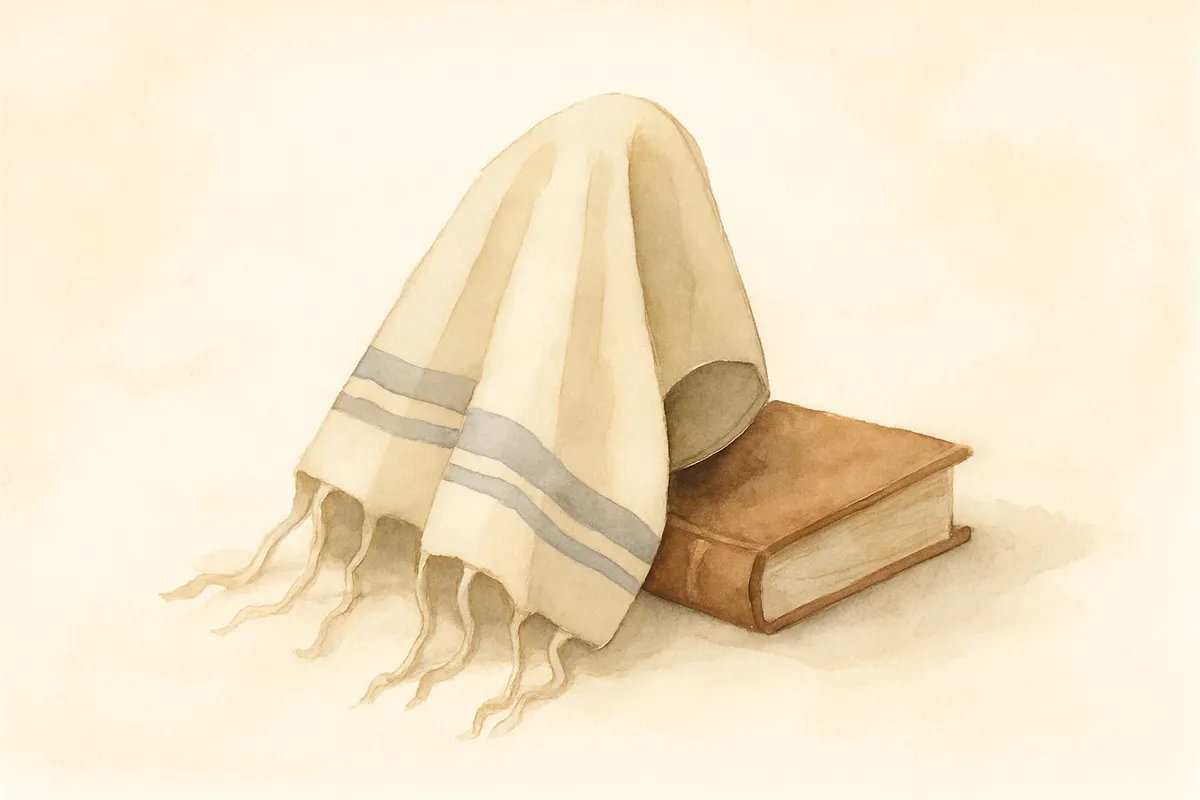
Orthodox Jews pray to the one God of Israel — the same God who created the world, revealed Himself at Sinai, and entered into a covenant with the Jewish people. Prayer in Orthodox Judaism, called tefillah (תְּפִלָּה, prayer), is understood as a form of divine service (avodah) of the heart, rooted in love and awe of God. As Deuteronomy 11:13 states: "וּלְעׇבְד֔וֹ בְּכׇל־לְבַבְכֶ֖ם" — "and to serve Him with all your heart" [Deuteronomy 11:13].
Key Takeaways
- Orthodox Jewish prayer is directed exclusively to the one God of Israel, never to intermediaries.
- Prayer is structured around three daily services: Shacharit (morning), Mincha (afternoon), and Maariv (evening).
- The central prayer is the Amidah (the Standing Prayer), also called the Shemoneh Esrei, which contains 19 blessings on weekdays.
- Prayer combines praise of God, personal petition, and gratitude — though its deepest purpose is to honor God's sovereignty, not merely to ask for needs.
- Orthodox prayer follows a fixed liturgy (siddur), though inner intention (kavanah) is considered essential.
What Orthodox Jews Pray: A Detailed Overview
1. The Purpose of Prayer
The Rambam (Maimonides) and classical tradition understand tefillah as a Torah obligation — a commandment to call out to God, especially in times of need [Mishneh Torah, Laws of Prayer 1:1].
However, Rav Chaim of Volozhin in his Nefesh HaChayim (נֶפֶשׁ הַחַיִּים) points out something deeper — that the prayer service, even when it appears to be about personal needs, is fundamentally organized to honor God's sovereignty:
"The wording of the daily prayer service, even though it superficially appears to mostly be organized relative to the matters of our personal needs... it is clear to all who understand... that the [primary purpose] is to honor His sovereignty." [Nefesh HaChayim, Gate II, 11:2]
This means Orthodox prayer is not simply "asking God for things" — it is an act of recognizing and exalting God's kingship over the world.
2. The Three Daily Prayer Services
Orthodox Jews pray three times daily, corresponding to the three times the Patriarchs prayed (according to the Talmud [Berachot 26b]):
| Service | Time | Patriarch | |---|---|---| | Shacharit (שַׁחֲרִית) | Morning | Abraham | | Mincha (מִנְחָה) | Afternoon | Isaac | | Maariv (מַעֲרִיב) | Evening | Jacob |
On Shabbat and Holidays, an additional service called Musaf (מוּסָף, "additional") is added, corresponding to the additional Temple sacrifice of those days.
3. What Is Actually Said?
The core of every prayer service is the Amidah (עֲמִידָה, "standing"), also known as the Shemoneh Esrei (שְׁמוֹנֶה עֶשְׂרֵה, "eighteen blessings" — now nineteen on weekdays). It is prayed silently, standing, facing Jerusalem.
The weekday Amidah contains three categories of blessings:
- Praise (shevach): The first three blessings praise God's greatness, holiness, and might
- Petition (bakasha): Thirteen blessings requesting wisdom, repentance, forgiveness, redemption, healing, prosperity, and more
- Thanksgiving (hodaah): The final three blessings express gratitude to God
On Shabbat and holidays, the petitionary blessings are replaced with a single blessing about the holiness of the day — because Shabbat is a day of rest, even from the "work" of petition.
4. Prayer as Dialogue — Kavanah (Intention)
Orthodox tradition strongly emphasizes kavanah (כַּוָּנָה, intention/concentration) in prayer. Praying by rote, without directing one's heart to God, is considered deficient.
Psalms 69:14 captures this spirit beautifully:
"וַאֲנִי תְפִלָּתִי־לְךָ יְהֹוָה עֵת רָצוֹן" — "As for me, may my prayer to You, O Lord, be at a time of favor." [Psalms 69:14]
The verse implies that the worshiper is not merely reciting words — he is reaching out personally to God, hoping to find a moment of divine grace.
5. Prayer on Special Occasions
-
On Rosh Hashanah, the prayer service is reorganized entirely around God's kingship — as the Nefesh HaChayim explains, the liturgy of Rosh Hashanah is structured "so as to honor His sovereignty, that it should be as exalted as it was in the beginning prior to the sin of First Adam." [Nefesh HaChayim, Gate II, 11:2]
-
On Tisha B'Av (the fast day mourning the Temple's destruction), even Torah study is restricted, because learning brings joy. The Rambam rules: "On Tish'ah B'Av, it is forbidden to read from the Torah, the Prophets, or the Sacred Writings... One may study only Job, Eichah, and the prophecies of retribution in Jeremiah." [Mishneh Torah, Fasts 5:11] Prayer on this day takes on a tone of grief and mourning.
-
During the rainy season, special phrases are added to the Amidah requesting rain — reflecting the deep connection between prayer and the practical realities of life in the Land of Israel [Taanit, Introduction to Perek I].
6. Prayer in Community vs. Alone
Orthodox Jews strongly prefer praying with a minyan (מִנְיָן), a quorum of ten adult Jewish men. Certain prayers — like Kaddish, Kedushah, and the public Torah reading — can only be said with a minyan. The communal dimension of prayer reflects the Jewish people's collective relationship with God.
For personal guidance on prayer practice, consult your local rabbi or posek.
Sources
People Also Asked
Want to dig deeper?