What is mikvah prayer?
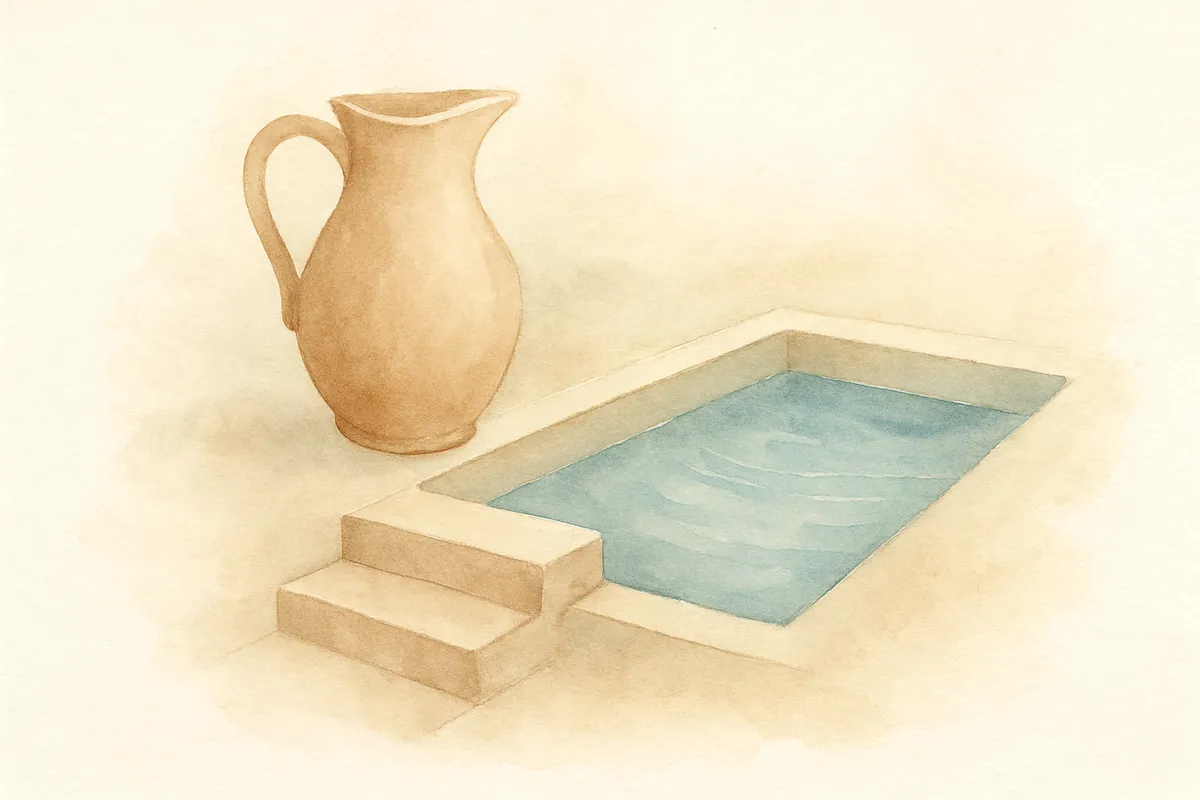
The mikvah prayer refers to the prayers and intentions (kavanot) recited in connection with immersion in a mikvah (ritual bath), a body of water used for spiritual purification in Jewish law. The most essential element is the blessing recited upon immersion, and the act itself is understood as a moment of heightened spiritual openness — an eit ratzon (עֵת רָצוֹן, "a time of Divine favor") — making it an especially opportune moment for personal prayer.
Key Takeaways
- The core "mikvah prayer" is the halachic blessing (beracha) recited during immersion, but many add personal prayers as well.
- Immersion in a mikvah is understood as a moment of eit ratzon — Divine favor — making it ideal for heartfelt prayer.
- The custom of extended prayer at the mikvah is especially prominent in Chassidic and Kabbalistic traditions.
- Different communities have different customs regarding which prayers are recited and when (before, during, or after immersion).
- The mikvah is used in several contexts: niddah (family purity), conversion, erev Shabbat/Yom Tov, and immersion of vessels.
The Core Blessing
The central obligatory prayer at the mikvah is the beracha (blessing) recited between immersions (after the first immersion, before subsequent ones):
בָּרוּךְ אַתָּה יְהֹוָה אֱלֹהֵינוּ מֶלֶךְ הָעוֹלָם, אֲשֶׁר קִדְּשָׁנוּ בְּמִצְוֺתָיו וְצִוָּנוּ עַל הַטְּבִילָה "Blessed are You, Lord our God, King of the universe, Who has sanctified us with His commandments and commanded us regarding immersion."
This blessing is recited by women immersing after niddah, as well as by converts and others in relevant halachic contexts [Shulchan Aruch, Yoreh Deah 200:1].
The Mikvah as a Moment of Eit Ratzon
The Psalms verse in the retrieved sources captures this idea beautifully:
"וַאֲנִי תְפִלָּתִי־לְךָ יְהֹוָה עֵת רָצוֹן" — "But as for me, my prayer is to You, O Lord, at an eit ratzon (a time of favor)" [Psalms 69:14].
Jewish tradition identifies moments of spiritual elevation — such as immersion in a mikvah — as times when the gates of prayer are particularly open. This is why many authorities and customs encourage personal techina (supplication) at the mikvah.
Personal Prayers (Tehinot)
Beyond the formal blessing, there is a rich tradition — especially among Ashkenazi and Sephardic women — of reciting tehinot (תְּחִינוֹת, personal supplication prayers) at the mikvah. These are often in Yiddish or vernacular languages and cover themes such as:
- Prayer for a healthy marriage and children
- Gratitude for the mitzvah of taharat hamishpacha (family purity)
- Personal requests for health, livelihood, and nachas from one's family
The Tanya and various Chassidic masters emphasize that immersion in the mikvah represents a moment of total spiritual renewal — almost like a rebirth — making it an ideal time for teshuva (repentance) and sincere prayer [Likutei Torah, Shir HaShirim].
Men's Mikvah Customs
Men also immerse in the mikvah, particularly:
- Erev Shabbat and Yom Tov — to honor the holy day
- Erev Yom Kippur — as part of the teshuvah process
- Daily — a Chassidic practice for spiritual purity before prayer
The connection to prayer here is direct: many Chassidim immerse before the morning prayers (Shacharit) to enter prayer in a state of purity. This is rooted in the verse from Deuteronomy:
"וּלְעָבְדוֹ בְּכׇל־לְבַבְכֶם" — "and to serve Him with all your heart" [Deuteronomy 11:13]
The Sages explain that "service of the heart" refers to prayer [Taanit 2a], and immersion is seen as preparation for that total-hearted service.
Kabbalistic Intentions (Kavanot)
In Kabbalistic tradition, particularly that of the Arizal (Rabbi Yitzchak Luria), specific kavanot (meditative intentions) are prescribed for each immersion. These involve contemplating Divine Names and the spiritual significance of the waters, drawing on the idea that the mikvah waters represent mayim chayyim (living waters) — connected to the Divine source of life.
Summary of Who Recites What
| Context | Prayer Recited | |---|---| | Women after niddah | Blessing + optional tehinot | | Converts | Blessing (part of conversion ceremony) | | Men (Chassidic daily) | Kavanot + personal prayer before Shacharit | | Erev Yom Kippur | Vidui (confession) often added nearby | | New vessels (tevilat keilim) | Blessing on vessels (no personal prayer required) |
For personal guidance on mikvah practice, the proper text of blessings for your community, or questions about specific customs, consult your local rabbi or posek.
Sources
People Also Asked
Want to dig deeper?