What is jewish unveiling prayers?
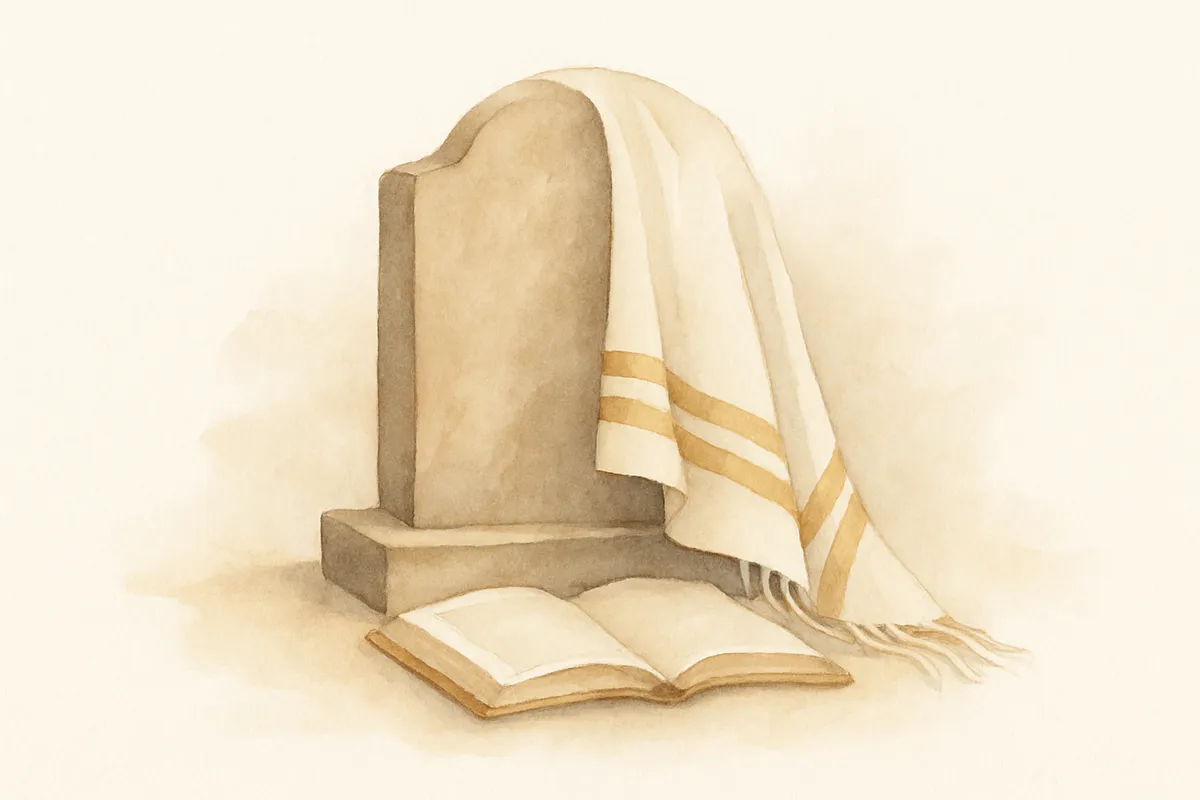
The Jewish unveiling (hakamas matzeivah — unveiling of a tombstone) is a ceremony held at the gravesite to formally dedicate the monument erected over a grave. It typically takes place within the first year after death (often at the end of the shloshim 30-day mourning period, or at the end of the 11-month kaddish period), and includes specific prayers, Psalms, and the recitation of Kaddish. The ceremony provides an opportunity for family and friends to gather, remember the deceased, and formally mark the completion of the grave's preparation.
Key Takeaways
- The unveiling is called hakamas matzeivah and marks the formal dedication of the tombstone.
- There is no single fixed liturgy mandated by halacha — the service is largely customary and varies by community.
- Core elements include recitation of Psalms, El Malei Rachamim (memorial prayer), and Kaddish.
- The ceremony reaffirms the deceased's memory and provides comfort to mourners.
- Customs vary between Ashkenazic and Sephardic communities regarding timing and specific prayers recited.
Background: Why a Tombstone?
The obligation to mark a grave comes from the Torah itself. Jacob erected a monument (matzeivah) over Rachel's grave: "וַיַּצֵּב יַעֲקֹב מַצֵּבָה עַל־קְבֻרָתָהּ" — "And Jacob erected a monument over her grave" [Genesis 35:20].
The Talmud [Shekalim 2:5] records that one need not erect monuments for the righteous because their words and deeds are their memorial — but in common practice, erecting a stone is considered an act of honor (kavod ha-met — honor of the dead) for all.
The Shulchan Aruch [Yoreh De'ah 348:2] codifies the obligation to mark graves, partly so that kohanim (priests) can avoid ritual impurity by knowing where graves are located.
Timing of the Unveiling
- Ashkenazic custom: Most commonly held at the end of the first year (shanah rishonah), or sometimes at the end of shloshim (30 days).
- The ceremony should generally not be held on Chol HaMoed (intermediate festival days), Rosh Chodesh, or other semi-festive occasions, as these are not times for mourning expressions.
- Some communities unveil as early as 30 days after burial.
Structure of the Unveiling Service
While there is no single fixed order, a typical hakamas matzeivah service includes the following elements:
1. Opening Psalms
Commonly recited Psalms include:
- Psalm 1 — "אַשְׁרֵי הָאִישׁ" (Ashrei ha-ish — "Blessed is the man")
- Psalm 23 — "ה' רֹעִי" (Adonai ro'i — "The Lord is my Shepherd")
- Psalm 90 — A prayer of Moses about the brevity of life
- Psalm 91 — "יֹשֵׁב בְּסֵתֶר" (Yoshev b'seter — "He who dwells in shelter"), often recited for protection of the soul
- Psalm 121 — "אֶשָּׂא עֵינַי" (Essa einai — "I lift my eyes to the mountains")
2. Unveiling of the Stone
The cloth or covering over the monument is removed, usually by a close family member. This act formally "dedicates" the stone.
3. Reading of the Inscription
The name and dates on the stone are read aloud, and often a brief eulogy or words of remembrance are shared.
4. El Malei Rachamim — Memorial Prayer
This is the central memorial prayer, recited (usually sung) by a chazan (cantor) or leader:
"אֵל מָלֵא רַחֲמִים שׁוֹכֵן בַּמְּרוֹמִים..." "God, full of compassion, who dwells on high, grant perfect rest on the wings of the Divine Presence, in the exalted spheres of the holy and pure..."
The prayer asks God to shelter the soul of the deceased under His wings and bind it in the Bond of Life (tzror ha-chayyim) — a concept from [1 Samuel 25:29].
5. Kaddish — Mourner's Prayer
Kaddish is recited by mourners (traditionally sons, though many communities today include daughters). Importantly, Kaddish does not mention death — it is a doxology (praise of God):
"יִתְגַּדַּל וְיִתְקַדַּשׁ שְׁמֵהּ רַבָּא" "May His great Name be exalted and sanctified..."
The recitation of Kaddish at the unveiling reaffirms faith even in the face of loss — a powerful theological statement.
6. Tziduk Ha-Din (Optional)
Some communities recite Tziduk Ha-Din ("Justification of the Divine Decree"), a prayer accepting God's judgment, though this is more common at the burial itself than at the unveiling.
The Prohibition Against Excessive Mourning
The Torah cautions against extreme expressions of grief. Deuteronomy 14:1 states:
"בָּנִים אַתֶּם לַיהֹוָה אֱלֹהֵיכֶם לֹא תִתְגֹּדְדוּ וְלֹא־תָשִׂימוּ קׇרְחָה בֵּין עֵינֵיכֶם לָמֵת" "You are children of the Lord your God — you shall not cut yourselves nor make baldness between your eyes for the dead."
[Deuteronomy 14:1] This verse teaches that while mourning is natural and healthy, we must remember our identity as God's children, maintaining dignity and faith even in grief. The unveiling ceremony embodies this balance — honoring the dead while affirming life and faith.
Similarly, in Leviticus 10:6, Moses instructed Aaron not to engage in the usual outward mourning rites after the death of his sons Nadav and Avihu, because God's honor took precedence — showing that mourning must be contextualized within a framework of Divine service [Leviticus 10:6].
Comfort for the Mourners
A traditional phrase said to mourners at a gravesite or unveiling is:
"הַמָּקוֹם יְנַחֵם אֶתְכֶם בְּתוֹךְ שְׁאָר אֲבֵלֵי צִיּוֹן וִירוּשָׁלַיִם" "May the Omnipresent comfort you among the mourners of Zion and Jerusalem."
This phrase connects personal loss to the national mourning for Jerusalem, reminding us that our grief is shared and that consolation comes from God Himself.
Sephardic Differences
Sephardic communities may:
- Use slightly different Psalms or prayers
- Recite Hashkavah instead of El Malei Rachamim
- Have different customs regarding when women participate in gravesite prayers
For personal guidance on the specific customs appropriate for your community or family tradition, consult your local rabbi or posek.
Sources
People Also Asked
Want to dig deeper?