What is jewish prayer before bed in hebrew?
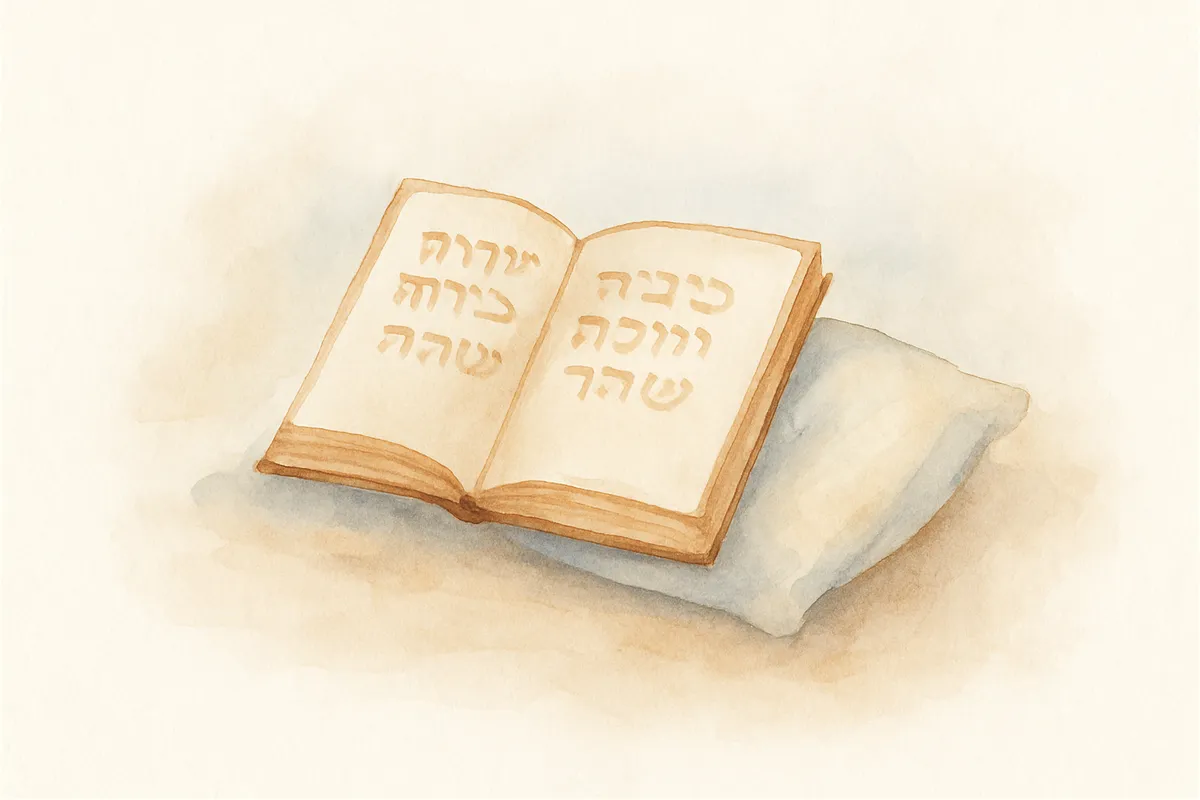
The Jewish bedtime prayer is called Kriat Shema al HaMita (the recitation of Shema upon the bed). The central text begins with the Shema declaration: "שְׁמַע יִשְׂרָאֵל יְהֹוָה אֱלֹהֵינוּ יְהֹוָה אֶחָד" — "Hear O Israel, the Lord is our God, the Lord is One" [Deuteronomy 6:4]. It is accompanied by additional prayers, blessings, and Psalms recited before sleep.
Key Takeaways
- The bedtime prayer service is called Kriat Shema al HaMita and centers on the Shema declaration.
- It includes a request for angelic protection, forgiveness of sins, and trust in God's watchfulness through the night.
- The Hashkiveinu blessing asks God to "lay us down in peace" and is a core part of the service.
- Psalm 91 ("Yoshev b'Seter Elyon") is traditionally recited as a prayer of divine protection during sleep.
- The practice is rooted in the Talmud [Berakhot 60b], which teaches that sleep carries spiritual vulnerability, requiring divine protection.
Full Bedtime Prayer Service
The Core Texts
1. The Shema (שְׁמַע)
The central declaration:
"שְׁמַע יִשְׂרָאֵל יְהֹוָה אֱלֹהֵינוּ יְהֹוָה אֶחָד" "Hear O Israel, the Lord is our God, the Lord is One." [Deuteronomy 6:4]
The Talmud in [Berakhot 5a] states: "Anyone who recites the Shema upon his bed — it is as if he holds a double-edged sword to protect him from harmful forces."
2. Hamapil — The Bedtime Blessing (הַמַּפִּיל)
This is a formal bracha (blessing) recited just before sleep:
"בָּרוּךְ אַתָּה יְהֹוָה אֱלֹהֵינוּ מֶלֶךְ הָעוֹלָם הַמַּפִּיל חֶבְלֵי שֵׁנָה עַל עֵינַי..." "Blessed are You, Lord our God, King of the Universe, who casts the bonds of sleep upon my eyes..."
The blessing continues asking for protection, that one not be troubled by bad dreams, and that one awaken to life and peace.
3. Psalm 91 — יֹשֵׁב בְּסֵתֶר עֶלְיוֹן
Known as the "Shir shel Pega'im" (Song of Protection), this Psalm is recited for divine protection during the vulnerability of sleep:
"יֹשֵׁב בְּסֵתֶר עֶלְיוֹן בְּצֵל שַׁדַּי יִתְלוֹנָן" "He who dwells in the shelter of the Most High shall abide in the shadow of the Almighty." [Psalms 91:1]
4. Forgiveness Prayer (Ribono Shel Olam)
A deeply personal prayer asking God to forgive anyone who may have wronged us that day, so we do not go to sleep harboring resentment:
"רִבּוֹנוֹ שֶׁל עוֹלָם, הֲרֵינִי מוֹחֵל לְכׇל מִי שֶׁהִכְעִיס וְהִקְנִיט אוֹתִי..." "Master of the Universe, I hereby forgive anyone who angered or vexed me..."
5. Prayer for Divine Protection (Angelic Blessing)
Many traditions include:
"בְּשֵׁם יְהֹוָה אֱלֹהֵי יִשְׂרָאֵל — מִימִינִי מִיכָאֵל, וּמִשְּׂמֹאלִי גַּבְרִיאֵל..." "In the name of the Lord God of Israel — to my right Michael, to my left Gabriel, before me Uriel, behind me Raphael, and above my head the Divine Presence."
Talmudic Foundation
The Talmud [Berakhot 60b] provides a series of blessings and prayers for the entire nighttime experience — from lying down through waking. The rabbis understood sleep as a "one-sixtieth of death" [Berakhot 57b], making spiritual preparation essential.
The verse from Psalms 69:14 (retrieved source) captures the spirit of the bedtime prayer:
"וַאֲנִי תְפִלָּתִי לְךָ יְהֹוָה עֵת רָצוֹן" "But as for me, my prayer is to You, O Lord, at a time of favor."
This expresses the soul's vulnerability and longing for God's acceptance — themes central to bedtime prayer.
Who Recites It
- All Jews — men, women, and children — are encouraged to recite at minimum the Shema before sleep [Shulchan Aruch, Orach Chayyim 239].
- Children are taught the bedtime Shema from a young age as a foundational practice.
- Some Ashkenazim and Sephardim have slightly different customs regarding which Psalms and prayers to include.
For personal guidance on the exact nusach (liturgical version) appropriate for your community, consult your local rabbi or posek.
Sources
People Also Asked
Want to dig deeper?