What is jewish people pray?
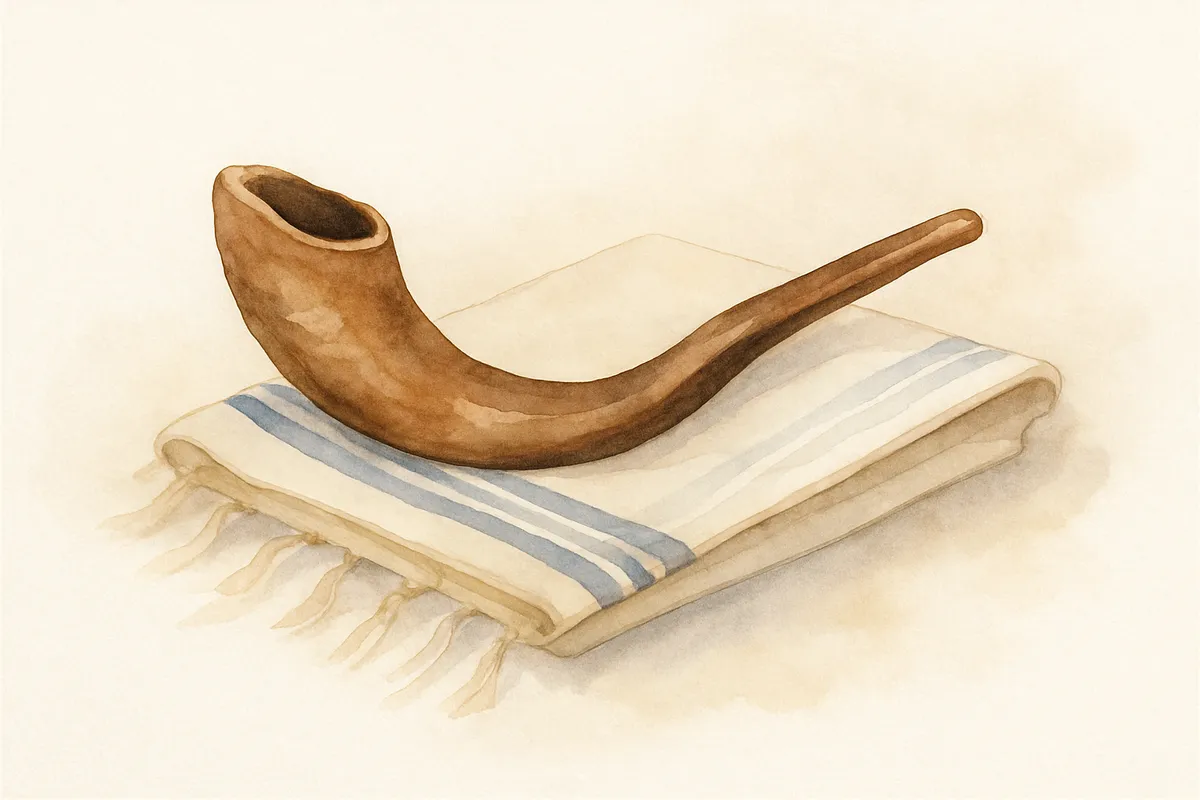
Jewish people pray to God (tefillah — תְּפִלָּה) as an act of connection, devotion, and communication with the Creator. Prayer in Judaism serves multiple purposes: praising God, expressing gratitude, and petitioning for personal and communal needs — all rooted in the belief that God hears and responds to sincere prayer.
Key Takeaways
- Jewish prayer is directed solely to God, expressing praise, gratitude, and personal requests.
- There are three daily prayer services: Shacharit (morning), Mincha (afternoon), and Ma'ariv (evening).
- Kavvanah (intention/mindfulness) is essential — prayer must come from the heart, not just the lips.
- The Amidah (standing prayer) is the central prayer of every service, containing 19 blessings.
- Even when access to formal prayer feels distant, Jewish tradition teaches that the "gates of tears" are never closed.
What Jews Pray For
Praise, Gratitude, and Petition
Jewish prayer covers three core categories:
- Praise (shevach) — recognizing God's greatness
- Gratitude (hodaah) — thanking God for His gifts
- Petition (bakashah) — asking God for personal and communal needs
The Amidah (literally "standing"), the spine of every prayer service, contains all three elements — opening with praise of the Patriarchs, continuing with requests, and concluding with thanksgiving.
The Three Daily Services
Jewish law (halacha) establishes three daily prayer times, derived from biblical and rabbinic tradition:
- Shacharit — Morning prayer
- Mincha — Afternoon prayer
- Ma'ariv — Evening prayer
These correspond, according to the Talmud, to the prayers instituted by the three Patriarchs: Abraham (Shacharit), Isaac (Mincha), and Jacob (Ma'ariv) [Berakhot 26b].
Prayer Directed to God Alone
The Torah commands: "לְאַהֲבָה אֶת־יְהֹוָה אֱלֹהֵיכֶם וּלְעׇבְד֔וֹ בְּכׇל־לְבַבְכֶ֖ם" — "to love the Lord your God and to serve Him with all your heart and with all your soul" [Deuteronomy 11:13]. The Talmud asks: what is "service of the heart"? It answers: this is prayer [Ta'anit 2a]. Prayer is therefore not merely ritual — it is an act of love and service.
The Amidah blessing for prayer beautifully expresses this: "שְׁמַע קוֹלֵנוּ יְהֹוָה אֱלֹהֵינוּ חוּס וְרַחֵם עָלֵינוּ" — "Hear our voice, Lord our God, have compassion on us, and accept our prayer with mercy and favor, for You are God who hears prayers and supplications" [Siddur Ashkenaz, Amidah, Shema Koleinu].
The Importance of Kavvanah (Intention)
Prayer without kavvanah (כַּוָּנָה — mindful intention) is considered incomplete. The Siddur itself instructs: "One who prays must direct his heart to understand the meaning of the words on his lips. And if he cannot focus on the meaning of all the words, he must at least think during prayer about things that humble the heart and direct it toward our Father in Heaven" [Siddur Ashkenaz, Shacharit, Amidah introduction].
This teaches that sincerity matters more than perfection in recitation.
What Is Prayed For: The Unetaneh Tokef and Yom Kippur
On the High Holidays (Yamim Noraim), the stakes of prayer become dramatically clear. The Unetaneh Tokef prayer declares:
"בְּרֹאשׁ הַשָּׁנָה יִכָּתֵבוּן, וּבְיוֹם צוֹם כִּפּוּר יֵחָתֵמוּן" — "On Rosh Hashana it is written, and on Yom Kippur it is sealed — how many will pass and how many will be created, who will live and who will die..." [Unetaneh Tokef].
The prayer concludes with the famous teaching that teshuva (repentance), tefillah (prayer), and tzedakah (charity) can transform even the harshest decree. Prayer is thus not passive — it is a transformative spiritual act.
When Prayer Feels Difficult: The Gates of Tears
Even in times of spiritual difficulty, Jewish tradition offers comfort. Rabbi Elazar taught:
"מִיּוֹם שֶׁחָרַב בֵּית הַמִּקְדָּשׁ נִנְעֲלוּ שַׁעֲרֵי תְּפִלָּה... וְאַף עַל פִּי שֶׁשַּׁעֲרֵי תְפִילָּה נִנְעֲלוּ, שַׁעֲרֵי דִמְעָה לֹא נִנְעֲלוּ" — "Since the day the Temple was destroyed, the gates of prayer have been locked... but even though the gates of prayer are locked, the gates of tears are never locked" [Berakhot 32b; Bava Metzia 59a].
This means that heartfelt, tearful prayer always reaches God — no matter the circumstances.
Prayer as a Path to Eternal Life
Jewish prayer is not only about the moment — it is connected to eternal reward. The Siddur lists acts whose "fruits are enjoyed in this world while the principal remains for the World to Come," including tefillah with full attention (iyyun tefillah) [Siddur Ashkenaz, Shacharit, Torah Study section, citing Mishnah Pe'ah 1:1].
For personal guidance on prayer practice, consult your local rabbi or posek.
Sources
People Also Asked
Want to dig deeper?