What is hamsa prayer hebrew?
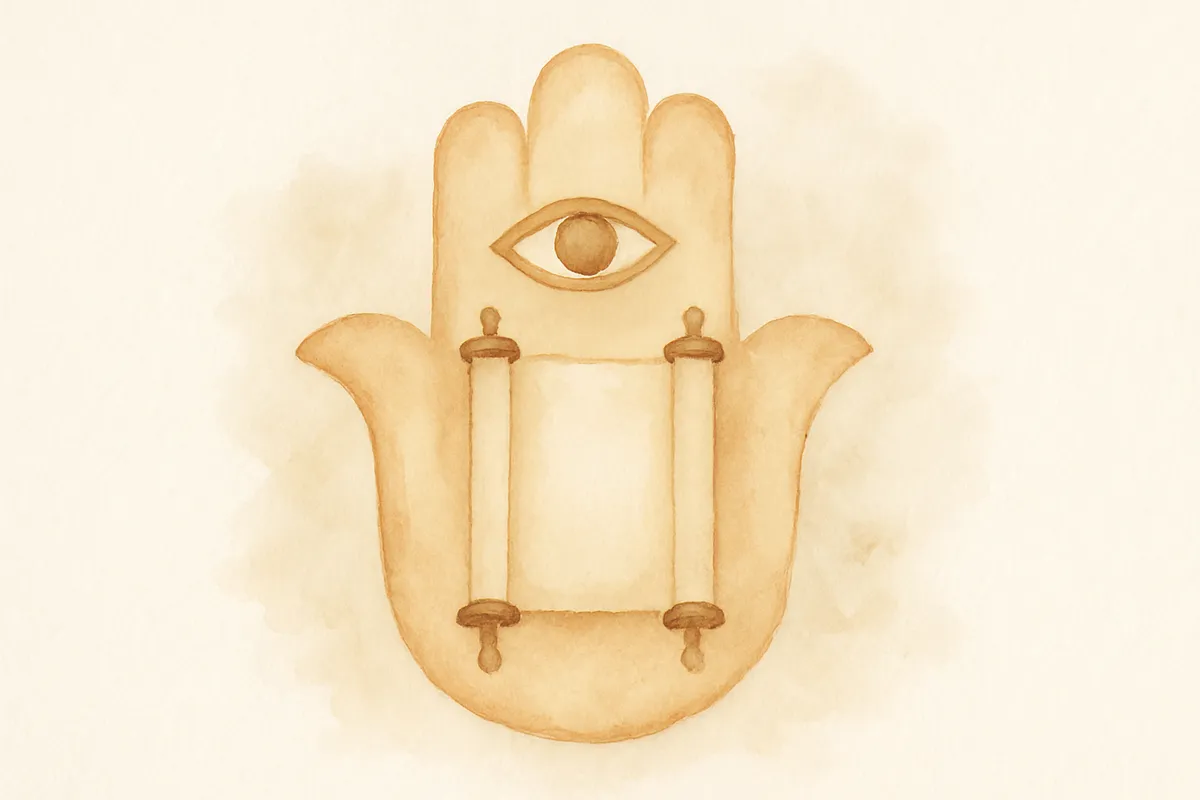
The Hamsa (חַמְסָה, from Arabic meaning "five") is a hand-shaped amulet widely used in Jewish and Middle Eastern cultures, associated with protection and good luck. The most commonly associated Hebrew prayer or text found on a Hamsa is Birkat HaBayit (the "Blessing of the Home"), though the Hamsa itself is a decorative symbol rather than a specific prescribed prayer. The phrase most frequently inscribed on a Hamsa is "B'ezrat Hashem" (בְּעֶזְרַת ה׳ — "With God's help") or Psalm verses invoking divine protection.
Key Takeaways
- The Hamsa is a hand-shaped amulet symbolizing protection, popular in Sephardic and Mizrachi Jewish tradition.
- There is no single fixed "Hamsa prayer" — rather, several Hebrew blessings and Psalm verses are commonly associated with it.
- The most common text inscribed on a Hamsa is Birkat HaBayit (Blessing of the Home).
- Psalm 67 is frequently displayed on Hamsa amulets in the shape of a menorah or hand.
- Some halachic authorities have debated the use of amulets; the tradition is strongest in Sephardic communities.
What Is the Hamsa?
The word Hamsa (חַמְסָה) means "five" in Arabic, referring to the five fingers of the hand. In Hebrew it is sometimes called Yad (יָד — "hand"). It is a protective symbol used widely across Jewish communities, particularly Sephardic, Mizrachi, and North African traditions.
The "eye" often depicted in the center of the Hamsa is meant to ward off the Ayin HaRa (עַיִן הָרָע — the "Evil Eye").
Common Hebrew Texts Associated with the Hamsa
1. Birkat HaBayit (בִּרְכַּת הַבַּיִת — Blessing of the Home)
This is the most commonly inscribed text on a Hamsa. It reads:
"יְהִי רָצוֹן מִלִּפְנֵי אָבִינוּ שֶׁבַּשָּׁמַיִם, שֶׁתִּשְׁרֶה שְׁכִינָה בְּבֵיתֵנוּ" "May it be the will of our Father in Heaven that the Divine Presence rest upon our home."
This blessing invokes God's presence, protection, and peace over the household.
2. Psalm 67 (מִזְמוֹר סז)
Psalm 67 is perhaps the most iconic text displayed in the shape of a Hamsa or Menorah. It begins:
"אֱלֹהִים יְחָנֵּנוּ וִיבָרְכֵנוּ, יָאֵר פָּנָיו אִתָּנוּ סֶלָה" "May God be gracious to us and bless us; may He cause His face to shine upon us, Selah." [Psalms 67:2]
This Psalm is classically associated with protection, blessing, and the sevenfold blessing of the Menorah.
3. Psalm 69:14 — A Prayer for Divine Answer
One of the retrieved source passages is directly relevant as a personal prayer of supplication:
"וַאֲנִי תְפִלָּתִי־לְךָ יְהֹוָה עֵת רָצוֹן אֱלֹהִים בְּרׇב־חַסְדֶּךָ עֲנֵנִי בֶּאֱמֶת יִשְׁעֶֽךָ" "But as for me, my prayer is to You, O Lord, at a time of favor. O God, in Your abundant kindness, answer me with the truth of Your salvation." [Psalms 69:14]
This verse is sometimes used as a general prayer for divine favor and is spiritually aligned with the protective intentions of the Hamsa.
4. The Shema and V'ahavta
Deuteronomy 11:13, part of the second paragraph of the Shema, is also found inscribed on Hamsa amulets:
"וְהָיָה אִם־שָׁמֹעַ תִּשְׁמְעוּ אֶל־מִצְוֺתַי... לְאַהֲבָה אֶת־יְהֹוָה אֱלֹהֵיכֶם וּלְעׇבְדוֹ בְּכׇל־לְבַבְכֶם וּבְכׇל־נַפְשְׁכֶם" "And it shall be, if you diligently listen to My commandments... to love the Lord your God and serve Him with all your heart and all your soul." [Deuteronomy 11:13]
The Shema in general is one of Judaism's most powerful protective declarations of faith.
5. Ana Bekoach (אָנָּא בְּכֹחַ)
This is a Kabbalistic prayer of 42 words, associated with divine protection and commonly inscribed on Hamsa amulets in mystical/Sephardic tradition. It begins:
"אָנָּא בְּכֹחַ גְּדֻלַּת יְמִינְךָ תַּתִּיר צְרוּרָה" "Please, with the strength of Your great right hand, untie the bundled sins."
Halachic Perspective on Amulets
The use of amulets (kemayot, קְמֵעוֹת) has a long history in Jewish law. The Talmud [Shabbat 61a] discusses carrying amulets on Shabbat and validates the practice when the amulet comes from a verified expert. Maimonides (Rambam) was more cautious, discouraging reliance on amulets as potentially bordering on superstition [Mishneh Torah, Hilchot Avodat Kochavim 11].
However, many Sephardic poskim (decisors) and kabbalistic authorities permit and even encourage the Hamsa as a symbol of faith in God's protection, so long as one's trust (bitachon, בִּטָּחוֹן) remains in God — not in the object itself.
For personal guidance on the use of amulets or how to incorporate Hebrew blessings into your home, consult your local rabbi or posek.
Sources
People Also Asked
Want to dig deeper?