What is hamapil prayer?
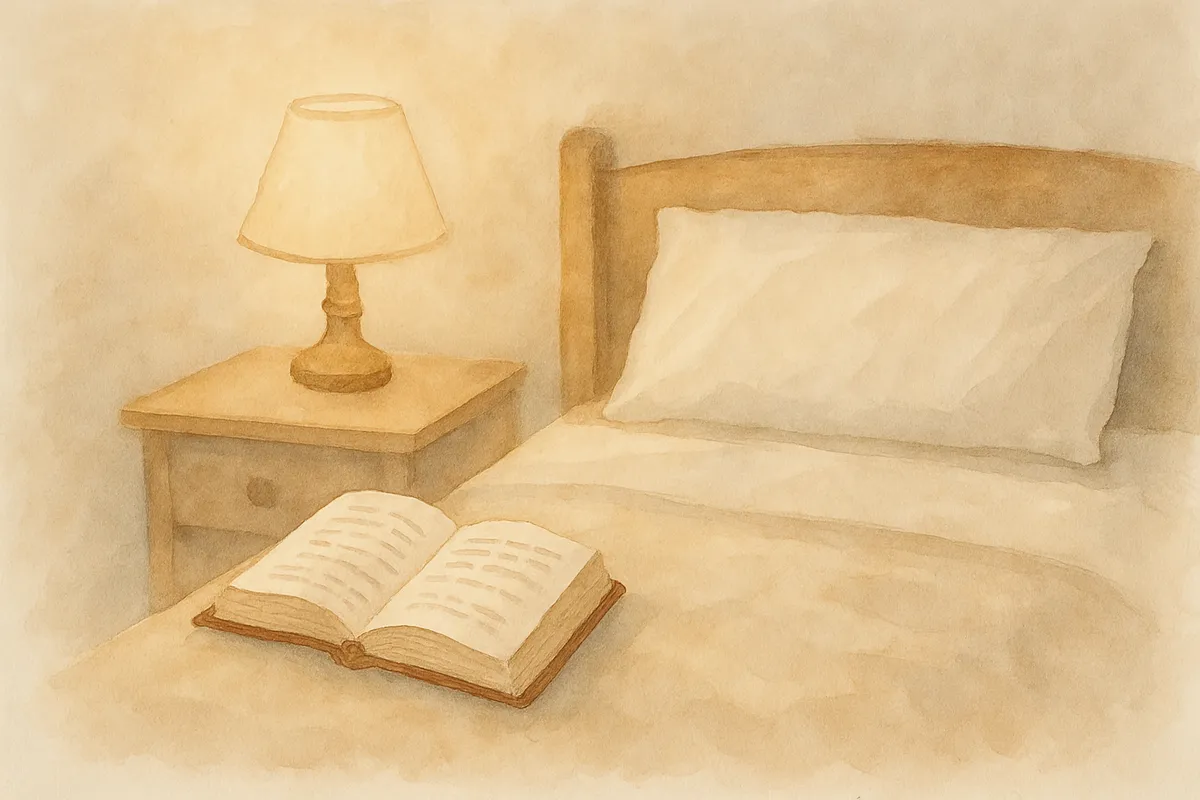
The Hamapil prayer (tefillat Hamapil) is a blessing recited at bedtime, just before falling asleep, in which a person acknowledges God as the One who brings sleep upon their eyes and entrusts their soul to His care through the night. It is sourced directly in the Talmud and has been preserved in both Ashkenazic and Sephardic liturgy as a central part of Kriat Shema al HaMita (the bedtime Shema reading).
Key Takeaways
- Hamapil is a formal beracha (blessing) recited immediately before sleep, part of the bedtime Shema ritual.
- The blessing praises God as "HaMappil chevlei shena al einai" — "Who casts the bonds of sleep upon my eyes."
- It includes a personal petition for peaceful sleep, protection from bad dreams, and moral guidance.
- One should avoid unnecessary speech between reciting Hamapil and actually falling asleep.
- There are slight variations between Ashkenazic and Sephardic versions of the prayer.
The Source in the Talmud
The Hamapil blessing is explicitly prescribed in the Talmud:
"One who enters to sleep on his bed says [Shema] from 'Shema Yisrael' until 'V'haya im shamo'a,' and says: 'Baruch… HaMappil chevlei shena al einai u'tenuma al afapai — Blessed is the One Who casts the bonds of sleep upon my eyes and slumber upon my eyelids, and Who illuminates the pupil of the eye.'"
[Berakhot 60b]
The prayer then continues with a yehi ratzon (may it be Your will) petition asking God for peaceful rest, a portion in Torah, habituation to mitzvot, and protection from sin, transgression, temptation, and shame.
The Full Text of the Blessing
Ashkenazic Version
[Siddur Ashkenaz, Bedtime Shema 2]:
בָּרוּךְ אַתָּה יְהֹוָה אֱלֹהֵינוּ מֶלֶךְ הָעוֹלָם הַמַּפִּיל חֶבְלֵי שֵׁנָה עַל עֵינָי וּתְנוּמָה עַל עַפְעַפָּי
"Blessed are You, Lord our God, King of the universe, Who casts the bonds of sleep upon my eyes and slumber upon my eyelids."
The Ashkenazic version then asks:
- "Hashkiveni l'shalom v'ta'amideni l'shalom" — lay me down in peace and raise me up in peace
- That no bad thoughts, evil dreams, or troubling imaginations disturb me
- "Ha'er einai pen ishan ha'mavet" — illuminate my eyes lest I sleep the sleep of death
Sephardic Version
[Siddur Sefard, Bedtime Shema 2]:
The Sephardic text adds the phrase "u'me'ir l'ishon bat ayin" — "and Who illuminates the pupil of the eye" — directly within the opening blessing, and petitions for "l'chayyim tovim u'l'shalom" — good life and peace.
Themes of the Prayer
1. Sleep as a Moment of Vulnerability
Sleep is described in Jewish tradition as "one-sixtieth of death" [Berakhot 57b]. The Hamapil prayer reflects an awareness that surrendering consciousness is an act of faith — one places oneself in God's hands.
2. Moral Petition
Both the Talmudic and liturgical versions include the remarkable petition:
"V'targileini lidvar mitzvah, v'al targileini lidvar aveira" — "Accustom me to matters of commandment, and do not accustom me to matters of transgression."
[Berakhot 60b; Siddur Sefard, Bedtime Shema 2]
This shows that bedtime is not merely physical rest — it is a moment to align one's moral compass before the unconscious hours.
3. The Yetzer HaTov (Good Inclination)
The prayer asks: "V'yishlot bi yetzer hatov v'al yishlot bi yetzer hara" — "May the good inclination rule over me and may the evil inclination not rule over me." This frames sleep as a spiritual battleground as much as a physical one.
Halachic Considerations
Recited Immediately Before Sleep
A key halachic requirement is that one recite Hamapil right before sleeping, with the intention to go to sleep immediately afterward.
Interruption After the Blessing
[Siddur Edot HaMizrach, Bedtime Shema 7] rules:
One should strive with all one's strength not to interrupt with speech between the blessing of Hamapil and sleep, except for the verses of Kriat Shema and other verses customarily recited. If one did speak, the blessing is not considered a beracha l'vatala (blessing in vain), and one does not repeat it.
Permitted interruptions include:
- Reciting the Shema and bedtime psalms
- Reciting birkat hanehenin (a blessing before drinking) if thirsty
- Reciting Asher Yatzar if needed
- Speaking for a significant need, such as quieting a child
After Midnight
[Siddur Edot HaMizrach, Bedtime Shema 7] notes that if one goes to sleep after chatzot (midnight), they should recite the Hamapil blessing without God's name and kingship (b'li shem u'malchut) due to uncertainty about the appropriateness of a full blessing so late.
Connection to Kriat Shema al HaMita
Hamapil is the concluding blessing of the Kriat Shema al HaMita (bedtime Shema) sequence. The Talmud [Berakhot 60b] prescribes beginning with the first two paragraphs of Shema — including "V'haya im shamo'a" [Deuteronomy 11:13] — before reciting Hamapil, thus connecting the acceptance of God's sovereignty (ol malchut shamayim) directly to the act of entrusting oneself to His care in sleep.
For personal guidance on the specific text, timing, and halachic details of reciting Hamapil, consult your local rabbi or posek.
Sources
People Also Asked
Want to dig deeper?