What is chanukah prayers in hebrew?
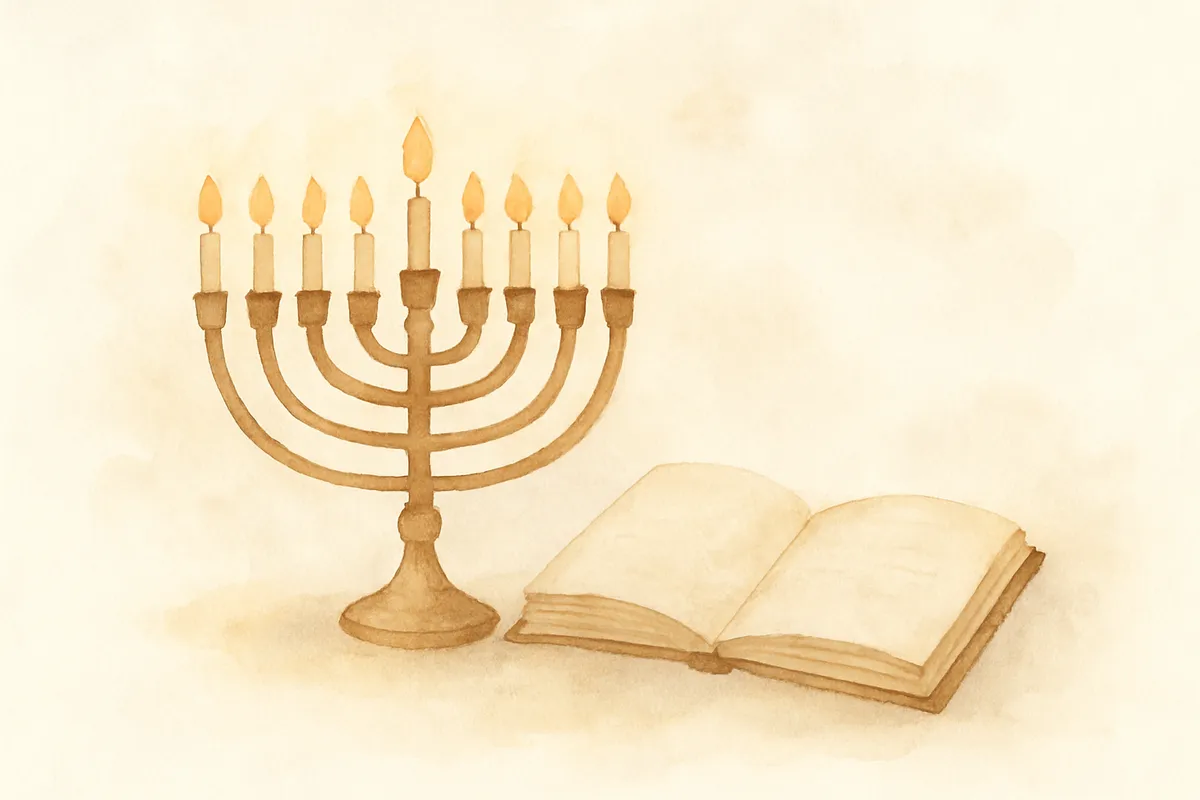
The primary prayers recited during Chanukah are Al HaNissim, added to the Amidah and Birkat HaMazon, and Hallel, recited all eight days. The central mitzvah prayer is recited when lighting the Chanukiah (menorah), consisting of two blessings every night and a third blessing (Shehecheyanu) on the first night only.
Key Takeaways
- Al HaNissim is inserted into the Amidah (Shmoneh Esreh) and Grace After Meals to thank God for the Chanukah miracles.
- Three blessings are recited when lighting the Chanukah candles — Lehadlik Ner, She'asa Nissim, and Shehecheyanu (first night only).
- Hallel (Psalms 113–118) is recited in full all eight days of Chanukah, which is unique among rabbinic holidays.
- Hanerot Hallalu is a short declaration recited after lighting, explaining the purpose of the Chanukah lights.
- Chanukah has no full prayer service changes (no Mussaf, no Torah reading interruption of regular schedule beyond a small addition), but Hallel and Al HaNissim are significant additions.
The Blessings Over the Chanukah Lights
First Blessing — Lehadlik Ner (Every Night)
בָּרוּךְ אַתָּה יְהֹוָה אֱלֹהֵינוּ מֶלֶךְ הָעוֹלָם, אֲשֶׁר קִדְּשָׁנוּ בְּמִצְוֺתָיו, וְצִוָּנוּ לְהַדְלִיק נֵר חֲנֻכָּה.
"Blessed are You, Lord our God, King of the universe, Who has sanctified us with His commandments and commanded us to kindle the Chanukah light."
This blessing refers to the mitzvah of lighting itself. The source of the commandment is rabbinic (מדרבנן), yet we say "Who commanded us" — the Talmud [Shabbat 23a] explains this is derived from Deuteronomy 17:11, the verse commanding us to follow rabbinic authority.
Second Blessing — She'asa Nissim (Every Night)
בָּרוּךְ אַתָּה יְהֹוָה אֱלֹהֵינוּ מֶלֶךְ הָעוֹלָם, שֶׁעָשָׂה נִסִּים לַאֲבוֹתֵינוּ בַּיָּמִים הָהֵם בִּזְּמַן הַזֶּה.
"Blessed are You, Lord our God, King of the universe, Who performed miracles for our ancestors in those days at this time."
This blessing connects us to the historical miracles of the Maccabees and the miraculous jar of oil, as recorded in [Talmud Bavli, Shabbat 21b].
Third Blessing — Shehecheyanu (First Night Only)
בָּרוּךְ אַתָּה יְהֹוָה אֱלֹהֵינוּ מֶלֶךְ הָעוֹלָם, שֶׁהֶחֱיָנוּ וְקִיְּמָנוּ וְהִגִּיעָנוּ לַזְּמַן הַזֶּה.
"Blessed are You, Lord our God, King of the universe, Who has kept us alive, sustained us, and brought us to this time."
This blessing of gratitude is said on the first night to mark the arrival of the holiday season [Shulchan Aruch, Orach Chaim 676:1].
Al HaNissim — על הניסים
This prayer is inserted into the Amidah (in the Hoda'ah/thanksgiving blessing) and into Birkat HaMazon (Grace After Meals). It recounts the Chanukah miracle:
עַל הַנִּסִּים וְעַל הַפֻּרְקָן וְעַל הַגְּבוּרוֹת וְעַל הַתְּשׁוּעוֹת וְעַל הַמִּלְחָמוֹת שֶׁעָשִׂיתָ לַאֲבוֹתֵינוּ בַּיָּמִים הָהֵם בִּזְּמַן הַזֶּה...
"For the miracles, and for the redemption, and for the mighty deeds, and for the saving acts, and for the wars which You performed for our ancestors in those days at this time..."
The prayer continues to describe how God delivered the strong into the hands of the weak, the many into the hands of the few, and the impure into the hands of the pure [Siddur, Al HaNissim text; codified in Shulchan Aruch, Orach Chaim 682:1].
Hanerot Hallalu — הנרות הללו
Recited after lighting the candles (while the shamash is still in hand), this passage explains the sanctity of the Chanukah lights:
הַנֵּרוֹת הַלָּלוּ אָנוּ מַדְלִיקִין עַל הַנִּסִּים וְעַל הַנִּפְלָאוֹת וְעַל הַתְּשׁוּעוֹת וְעַל הַמִּלְחָמוֹת שֶׁעָשִׂיתָ לַאֲבוֹתֵינוּ בַּיָּמִים הָהֵם בִּזְּמַן הַזֶּה...
"These lights we kindle for the miracles and wonders, for the salvations and battles which You performed for our ancestors in those days at this time..."
It concludes that the lights are holy — we may not use their light, only look at them to publicize the miracle (פרסום הנס, pirsumei nissa).
Hallel — הַלֵּל
Hallel consists of Psalms 113–118 and is recited in full (Hallel Shalem) on all eight days of Chanukah during Shacharit (morning prayers). This is distinct from holidays like Rosh Chodesh where only a half-Hallel is said.
The Talmud [Shabbat 21b] establishes that the Sages instituted Hallel and Hoda'ah (thanksgiving) for Chanukah. The connection to the Psalms is also seen in [Psalms 69:14] from our retrieved sources:
וַאֲנִי תְפִלָּתִי־לְךָ יְהֹוָה עֵת רָצוֹן "But as for me, may my prayer come to You, O Lord, at a favorable time."
This verse reflects the spirit of Chanukah prayer — approaching God in a moment of divine favor and gratitude.
Connection to Deuteronomy 11:13
The retrieved source [Deuteronomy 11:13] — "to love the Lord your God and to serve Him with all your heart and all your soul" — is the second paragraph of Shema and forms the Torah basis for tefillah (prayer) as service of the heart. The Talmud [
Sources
People Also Asked
Want to dig deeper?