What does the egg on ashes eaten eruv tisha b’av represent
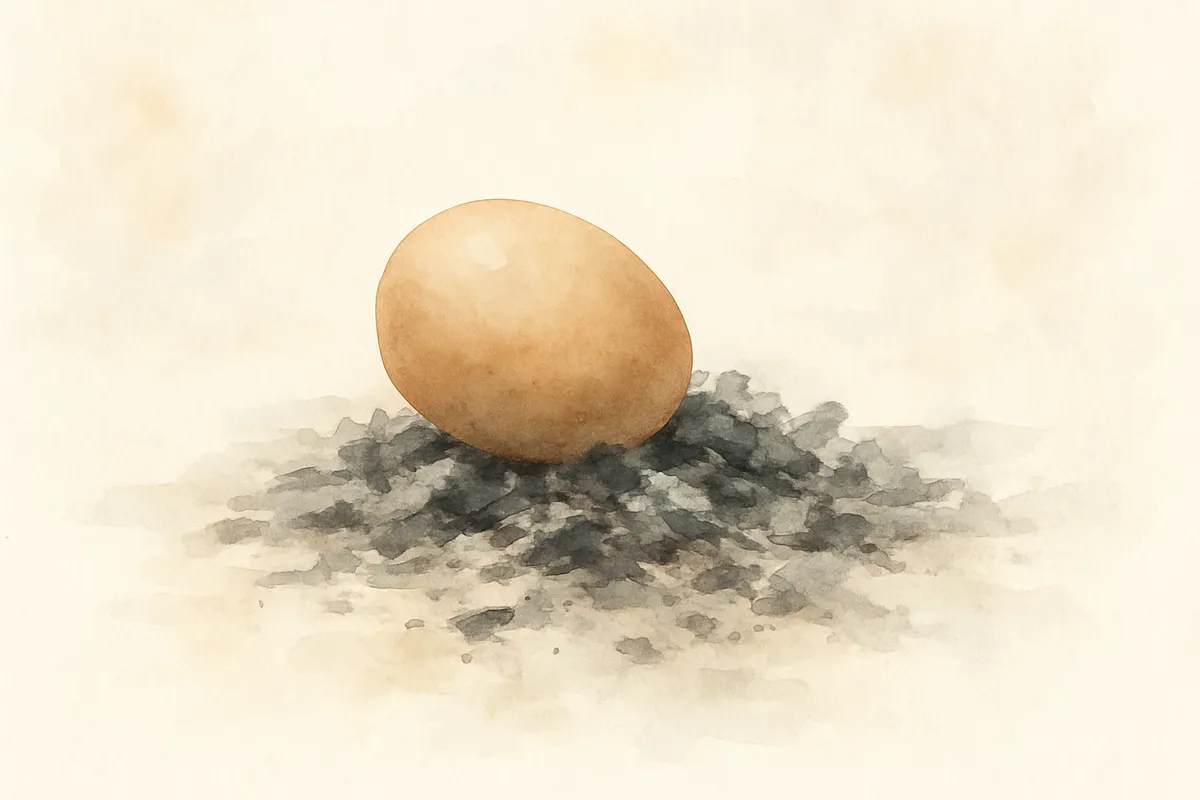
The egg eaten on ashes during the Seudah Hamafseket (the final meal before Tisha B'Av) is a powerful symbol of mourning and the cyclical nature of tragedy in Jewish history. It represents grief, consolation, and the reality that the destruction of the Temple was not a random catastrophe but part of a divine historical pattern — particularly poignant because Tisha B'Av in many years coincides with Shabbat Parshat Devarim, which always precedes it.
Key Takeaways
- The egg is a universal symbol of mourning in Jewish tradition, served at the seudat havra'ah (mourner's meal of condolence).
- Ashes symbolize the destruction of the Temple and the depths of mourning, recalling the verse "וַיֵּשֶׁב בָּדָד" — sitting in desolation [Lamentations 3:28].
- Eating egg on ashes at the Seudah Hamafseket is meant to viscerally remind us of the Temple's destruction before we enter the fast.
- The egg also symbolizes hope and renewal — its round shape has no beginning or end, hinting that mourning, like history, is cyclical and that redemption will come.
- Tisha B'Av itself falls on the anniversary of multiple national tragedies, making this meal a commemoration of cumulative Jewish suffering.
The Seudah Hamafseket in Detail
The Seudah Hamafseket (סְעוּדָה הַמַּפְסֶקֶת) — literally "the interrupting meal" — is the final meal eaten before the Tisha B'Av fast begins. The Shulchan Aruch rules that this meal must be eaten alone, while seated on the ground, and should consist of only bread, water, and a hard-boiled egg [Shulchan Aruch, Orach Chaim 552:5–6].
Why an Egg?
Eggs appear at two key moments in Jewish mourning practice:
-
The Seudat Havra'ah — the first meal eaten by mourners after a burial, which traditionally includes eggs, bread, and lentils. These round foods symbolize mourning because they have no mouth — just as the mourner is silenced by grief, unable to speak [Talmud Bavli, Moed Katan 27b].
-
The Seudah Hamafseket — mirroring the mourner's meal, we treat ourselves as mourners for the Temple.
The Mishnah Berurah (552:10) explains that the egg is eaten specifically because it is the food of mourners, connecting our communal mourning for the Temple to the individual mourning for the dead.
Why on Ashes?
The ashes evoke several layers of meaning:
- Literal destruction: The Temple was burned to ash. Sitting and eating amid ashes is a physical re-enactment of that devastation.
- The verse in Lamentations: "גַּם כִּי אֶזְעַק וַאֲשַׁוֵּעַ שָׂתַם תְּפִלָּתִי" — even when we cry out, our prayer seems blocked [Lamentations 3:8], reflecting a sense of divine hiddenness.
- The custom of Rashi: It is reported that Rashi and the Rishonim (early medieval authorities) practiced dipping the egg in ash or placing ash on the table to heighten the sense of mourning and desolation.
- Some authorities connect it to the verse "וַיִּתְפַּלֵּל יְהוֹשֻׁעַ... וַיִּפֹּל עַל פָּנָיו... וַיִּשֶׂם עָפָר עַל רֹאשׁוֹ" — Joshua fell on his face and put dust on his head as a sign of mourning [Joshua 7:6].
The Dual Symbolism of the Egg
The egg carries a paradox at its heart:
- Mourning: It is the food of grief, silence, and loss — the Temple is gone.
- Hope: Its round shape symbolizes the cycle of history. Just as an egg contains the potential for new life, Tisha B'Av contains within it the seed of redemption. The Talmud teaches that Moshiach is born on Tisha B'Av [Talmud Yerushalmi, Berachot 2:4], meaning the very moment of destruction plants the seed of ultimate renewal.
Sitting on the Ground
The combination of the egg, the ashes, and sitting on the ground (as an avel — mourner) during this meal reinforces the halakhic and experiential reality: we are mourners. The Rama (Orach Chaim 559:3) rules that one sits low to the ground throughout Tisha B'Av, not just during the meal.
Broader Connection
This practice connects to the verse in Deuteronomy 14:1 (one of our retrieved sources):
"בָּנִים אַתֶּם לַיהֹוָה אֱלֹהֵיכֶם" — "You are children of Hashem your God."
The mourning of Tisha B'Av is therefore not simply historical grief — it is the grief of children who have lost their Father's house, the Beit Hamikdash. The egg on ashes is a way of making that loss felt in the body, not just the mind.
For personal guidance on how to conduct the Seudah Hamafseket, consult your local rabbi or posek.
Sources
People Also Asked
Want to dig deeper?