What are the Sukkot prayers?
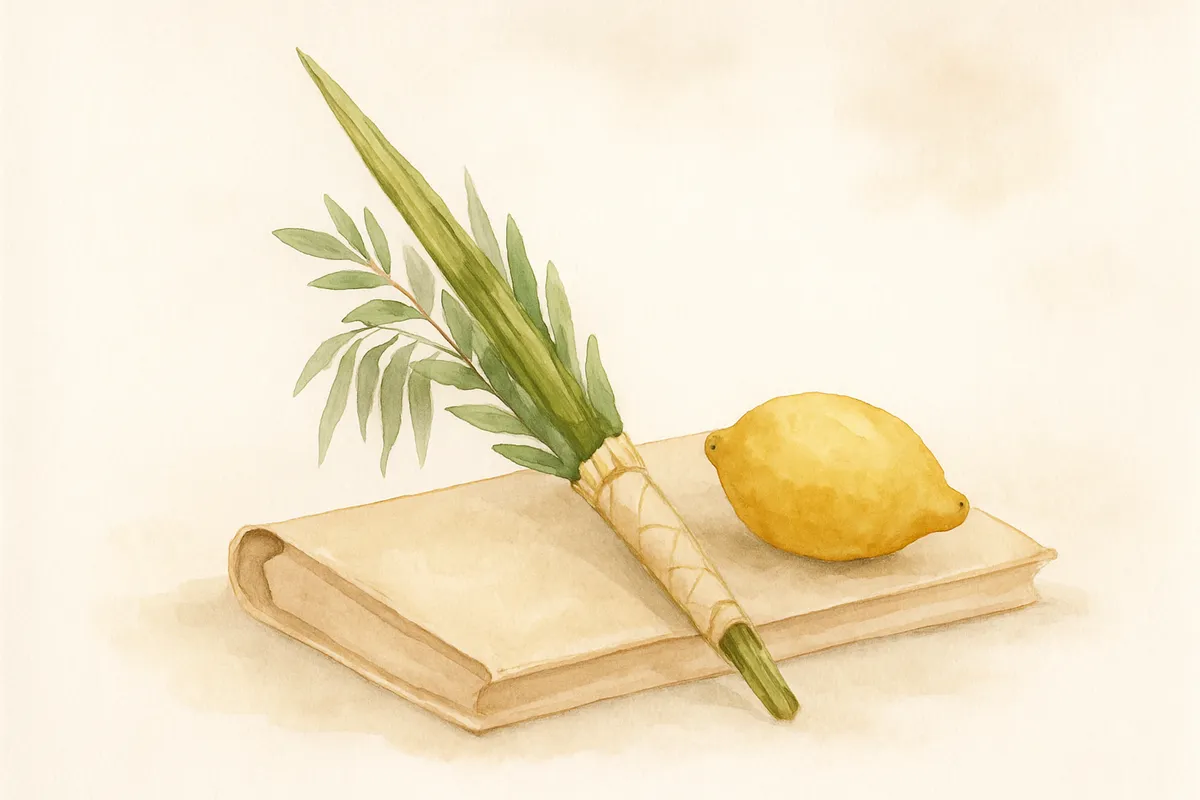
Sukkot Prayers: A Comprehensive Guide
The prayers of Sukkot (Chag HaSukkot — the Festival of Booths) follow the standard Yom Tov (festival) liturgy with several unique additions and modifications specific to the holiday's themes of joy, divine protection, and agricultural thanksgiving. The core additions include Hallel, the waving of the lulav and etrog, special Musaf prayers, and the unique Hoshana supplications recited each day of the festival.
Key Takeaways
- Sukkot prayers include the full Hallel (Psalms 113–118) recited every day of the festival — unlike Pesach, where only partial Hallel is said on most days.
- The Musaf Amidah on Sukkot includes a special insertion describing the holiday's korbanot (Temple offerings) and the theme of joy.
- Hoshanot — special supplicatory poems — are recited each day while circling the bimah with the four species.
- On Shemini Atzeret, the prayer for rain (Tefillat Geshem) is added, marking the transition to the rainy season.
- When Sukkot falls on Shabbat, the Maariv prayer includes Vayedaber Moshe and special insertions noting both Shabbat and Yom Tov holiness.
Foundations in Torah
The Torah itself commands both the festival and the element of joy (simcha) as central to Sukkot.
[Leviticus 23:40] commands: "וּשְׂמַחְתֶּם לִפְנֵי יְהֹוָה אֱלֹהֵיכֶם שִׁבְעַת יָמִים" — "And you shall rejoice before the LORD your God for seven days." This joy is not incidental — it is a mitzvah woven into the holiday's fabric, and the liturgy reflects it throughout.
[Deuteronomy 16:13] further establishes: "חַג הַסֻּכֹּת תַּעֲשֶׂה לְךָ שִׁבְעַת יָמִים" — "You shall celebrate the Festival of Booths for seven days." The Sages derived from this that the festive prayers span all seven days with full Yom Tov character.
The Structure of Sukkot Prayer Services
1. Maariv (Evening Prayer) — First Night
- The regular weekday Amidah is replaced with the Yom Tov Amidah, a seven-blessing prayer with ya'aleh v'yavo inserted in the middle blessing.
- Kiddush is recited over wine in the sukkah, including the blessing לֵישֵׁב בַּסֻּכָּה (leishev basukkah — to dwell in the sukkah).
- Shehecheyanu is recited on the first night.
2. Shacharit (Morning Prayer)
- Full Hallel (Hallel Shalem) — Psalms 113–118 — is recited every single day of Sukkot (including Chol HaMoed, the intermediate days). This distinguishes Sukkot from Pesach, where full Hallel is only said on the first day (first two days in the Diaspora).
- The four species (arba minim) — etrog, lulav, hadassim (myrtles), and aravot (willows) — are held and waved during Hallel, specifically during Hodu and Ana Hashem. [Leviticus 23:40]
- Torah reading from the designated portions describing the Sukkot sacrifices (Numbers 29).
3. Musaf (Additional Service)
- The Musaf Amidah includes the Kedushat HaYom (sanctification of the day) paragraph, which describes the Mussaf offerings brought in the Temple.
- The text enumerates the seventy bulls sacrificed over the seven days of Sukkot — traditionally understood as corresponding to the seventy nations of the world [Sukkah 55b], reflecting Sukkot's universalist dimension.
- Ya'aleh v'yavo is included in the Musaf as well.
4. Hoshanot — The Unique Sukkot Supplication
Each day of Sukkot, after Musaf (or during Shacharit in many communities), the congregation recites Hoshanot (Hosha Na — "please save us"), special liturgical poems that are a hallmark of the holiday.
Structure of Hoshanot:
- The Torah scroll is removed from the Ark and held on the bimah.
- The congregation circles the bimah once (on days 1–6) carrying their lulav and etrog, reciting the Hoshana poem for that day.
- On Hoshana Rabbah (the 7th day), the congregation circles the bimah seven times, echoing the circuits around Jericho [Joshua 6].
- After the seven circuits on Hoshana Rabbah, the aravot (willow branches) are beaten on the ground — a custom of ancient origin, rooted in the Temple practice.
The Hoshanot poems each carry a different theme — invoking God's salvation for the sake of the land, the people Israel, the Torah, the Temple, and creation.
Note: When Shabbat falls on one of the intermediate days, the lulav is not taken, and the Hoshana circuit is omitted that day, since carrying the lulav is prohibited on Shabbat.
Special Insertions and Variations
Ya'aleh V'yavo
This prayer is inserted into the Amidah and Birkat HaMazon (Grace after Meals) throughout Sukkot. It asks God to remember the Jewish people for goodness on the occasion of the festival.
When Sukkot Falls on Shabbat
The Maariv and other prayers incorporate both Shabbat and Yom Tov language. The Kiddush includes both the Shabbat and Yom Tov passages. The Amidah begins with the Shabbat opening (Atah Kadashta) but concludes with both sanctifications. [Divrei Yirmiyahu on Mishneh Torah, Prayer 2:12] references the special liturgical structure when Yom Tov coincides with Shabbat, directing readers to the Abudraham (the classic medieval prayer commentary) for the full Sukkot prayer order.
Kohelet (Ecclesiastes)
In Ashkenazic communities, Megillat Kohelet is read on the Shabbat of Chol HaMoed Sukkot (or on Shemini Atzeret if there is no intermediate Shabbat). This somewhat somber book about the transience of life is traditionally associated with Sukkot's theme of the temporary sukkah dwelling.
Shemini Atzeret and Simchat Torah
Tefillat Geshem — Prayer for Rain
On Shemini Atzeret during Musaf, the Chazzan (prayer leader) recites the solemn Tefillat Geshem — the prayer for rain. From this point forward, the phrase "מַשִּׁיב הָרוּחַ וּמוֹרִיד הַגֶּשֶׁם" ("Who causes the wind to blow and the rain to fall") is inserted in the second blessing of every Amidah until Pesach.
Simchat Torah
On Simchat Torah (Shemini Atzeret in Israel; the day after in the Diaspora), joyful hakafot (circuits with Torah scrolls) are performed, accompanied by
Sources
People Also Asked
Want to dig deeper?