What are the rules of passover dietary?
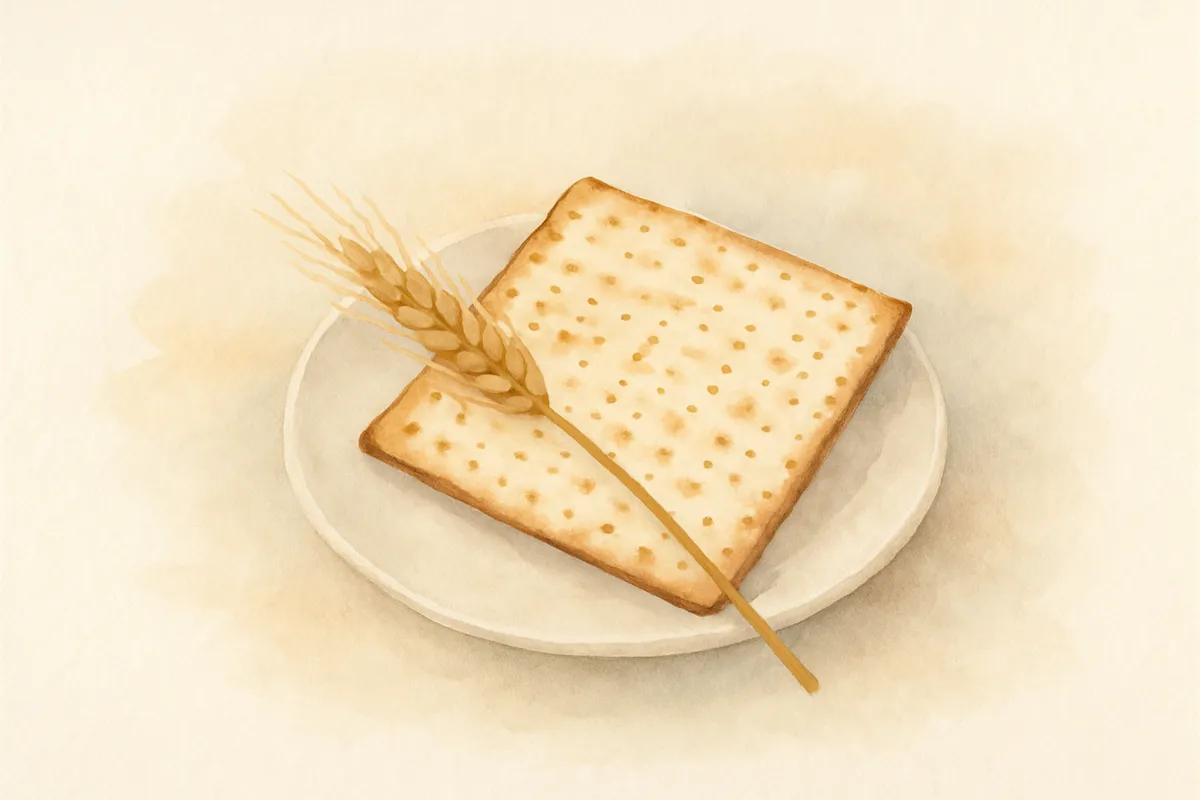
Passover Dietary Laws
The Torah prohibits eating chametz (leavened products) during Passover and commands eating matzah (unleavened bread) in its place. These laws apply for the entire seven days of Passover (eight days in the Diaspora), and violations carry serious spiritual consequences, including karet (spiritual excision from the Jewish people).
Key Takeaways
- Chametz (any grain product that has leavened) is strictly forbidden to eat, own, or even have in one's possession during Passover.
- Matzah must be eaten at the Seder night; for the rest of Passover, matzah is permitted but not strictly required.
- Chametz found in one's home must be searched out, nullified, and destroyed before Passover begins.
- The prohibition applies equally to Jews and to converts (gerim), as stated explicitly in the Torah.
- One is obligated to study and discuss the Passover laws — a practice instituted by Moshe himself.
The Biblical Prohibition of Chametz
The Torah establishes the core prohibition in multiple places. Exodus 12:19 states:
"שִׁבְעַ֣ת יָמִ֔ים שְׂאֹ֕ר לֹ֥א יִמָּצֵ֖א בְּבָתֵּיכֶ֑ם כִּי כׇּל־אֹכֵ֣ל מַחְמֶ֗צֶת וְנִכְרְתָ֞ה הַנֶּ֤פֶשׁ הַהִוא" "For seven days, leaven shall not be found in your homes; whoever eats leavened bread — that soul shall be cut off."
[Exodus 12:19]
Deuteronomy 16:3 adds the positive dimension:
"שִׁבְעַ֥ת יָמִ֛ים תֹּֽאכַל־עָלָ֥יו מַצּ֖וֹת לֶ֣חֶם עֹ֑נִי כִּ֣י בְחִפָּז֗וֹן יָצָ֙אתָ֙ מֵאֶ֣רֶץ מִצְרַ֔יִם" "Seven days you shall eat matzot, the bread of affliction, for in haste you left Egypt."
[Deuteronomy 16:3]
What Is Chametz?
Chametz is any food made from one of the five grains — wheat, barley, oats, spelt, or rye — that has come into contact with water and been allowed to ferment for more than 18 minutes.
Key Distinctions:
- Chametz gamur (complete chametz): fully leavened bread, cake, pasta, beer — strictly forbidden by Torah law.
- Mixtures containing chametz: Even a tiny amount of chametz mixed into food renders it forbidden — unlike most Torah prohibitions, chametz is not batel (nullified) even in 1/1,000 ratio.
- Matzah: The same five grains, but baked before any leavening can occur — this is permitted and commanded.
Bedikat Chametz and Bitul — Searching and Nullifying
Before Passover begins, one is required to:
- Search (bedikat chametz) the home the night before Passover by candlelight.
- Nullify (bitul chametz) — verbally declare any unfound chametz as ownerless as dust.
- Burn (bi'ur chametz) — destroy all remaining chametz on the morning before Passover.
The Torah commands in Exodus 13:7: "No leavened bread shall be seen with you... in all your borders." [Exodus 13:7]
Selling Chametz — Mechirat Chametz
Because chametz that a Jew owns over Passover becomes permanently forbidden after Passover (chametz she'avar alav haPesach), the rabbis instituted the practice of selling chametz to a non-Jew before Passover through a legal halachic mechanism, typically arranged through a rabbi.
The Matzah Obligation
Exodus 13:8 commands:
"וְהִגַּדְתָּ֣ לְבִנְךָ֔ בַּיּ֥וֹם הַה֖וּא לֵאמֹ֑ר בַּעֲב֣וּר זֶ֗ה עָשָׂ֤ה יְהֹוָה֙ לִ֔י בְּצֵאתִ֖י מִמִּצְרָֽיִם" "And you shall tell your son on that day: 'It is because of this that God acted for me when I left Egypt.'"
[Exodus 13:8]
- Eating matzah at the Seder on the first night (first two nights in the Diaspora) is a positive Torah commandment.
- Shulchan Aruch rules that one is obligated to engage in the laws of Passover and the story of the Exodus throughout Seder night: "חַיָּב אָדָם לַעֲסֹק בְּהִלְכוֹת הַפֶּסַח וּבִיצִיאַת מִצְרַיִם... עַד שֶׁתַּחְטְפֶנּוּ שֵׁנָה" — "A person is obligated to engage in the laws of Passover and the Exodus from Egypt... until sleep overcomes him." [Shulchan Aruch, Orach Chayim 481:2]
Kitniyot — The Ashkenazic Custom
- Sephardic Jews permit kitniyot (legumes, rice, corn, beans) on Passover.
- Ashkenazic Jews have a custom (minhag) going back to the medieval period to forbid kitniyot, because they resemble grains or can be ground into flour-like substances.
- This is a minhag (custom), not a Torah prohibition — but it is binding for Ashkenazim.
- In recent years, some Ashkenazic authorities (including the Rabbinical Assembly and certain Modern Orthodox poskim) have permitted kitniyot for Ashkenazim under certain conditions, though this remains a minority position.
Passover-Specific Foods
During Passover, one should use only products certified as Kosher l'Pesach (Passover-certified), as even trace amounts of chametz in processed foods are forbidden.
Common Items Requiring Special Attention:
- Medicines and vitamins (consult a rabbi)
- Cosmetics containing grain alcohol
- Pet food
- Spices (may be processed on chametz equipment)
The Obligation to Learn the Laws
Moshe Rabbeinu himself instituted that Jews should study the laws of each holiday before it arrives. The Talmud records:
"משה תיקן להם לישראל שיהו שואלין ודורשין בענינו של יום — הלכות פסח בפסח" "Moshe instituted for Israel that they should inquire and expound on the subject of each day — the laws of Passover on Passover."
[Megillah 32a]
The Shulchan Aruch codifies this: one begins studying the Passover laws thirty days before Passover. [Shulchan Aruch, Orach Chayim 429:1]
For personal guidance on specific situations — especially regarding medications, unusual food ingredients, or customs — consult your local rabbi or posek.
Sources
People Also Asked
Want to dig deeper?