Shabbat chazon how to see vision of third temple
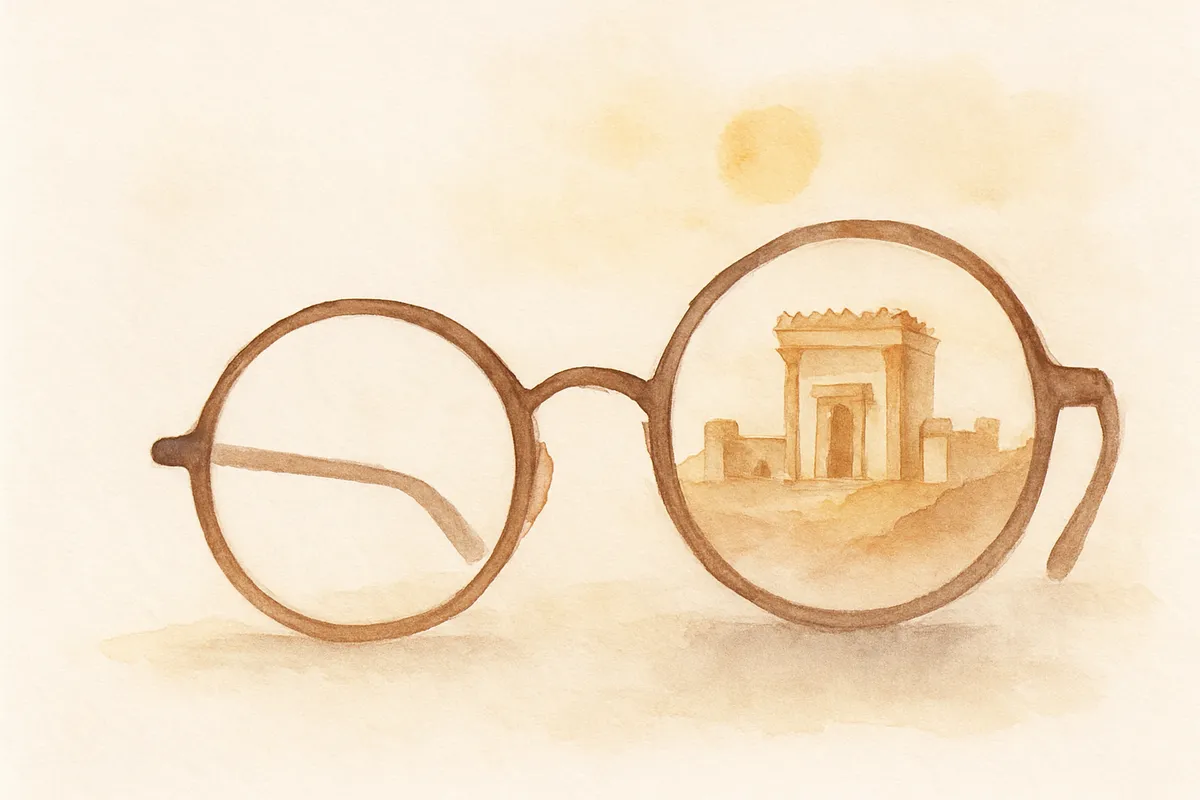
Shabbat Chazon and the Vision of the Third Temple
Shabbat Chazon (שַׁבַּת חֲזוֹן, "Shabbat of Vision") is the Shabbat immediately before Tisha B'Av, named after the opening word of the haftarah read that day — Isaiah 1:1: "חֲזוֹן יְשַׁעְיָהוּ" ("The vision of Isaiah"). According to a profound Chassidic teaching, this Shabbat carries a unique spiritual opportunity: every Jew is shown a hidden vision of the Third Beit HaMikdash (Holy Temple), even if they are not consciously aware of it.
Key Takeaways
- Shabbat Chazon is named for the haftarah from Isaiah 1, read on the Shabbat before Tisha B'Av.
- The Divrei Elimelech of Grodzisk teaches that on this Shabbat, every Jewish soul is shown a vision of the Third Temple — whether they perceive it or not.
- The sadness Jews feel on Shabbat Chazon may be a subconscious response to this hidden vision and the awareness of what has been lost.
- The path to "seeing" the vision more clearly is through teshuva (repentance), ahavat Yisrael (love of fellow Jews), and mourning the Temple with sincere intent.
- The Third Temple is described in prophetic and rabbinic literature as descending from Heaven, built by God Himself.
The Chassidic Teaching: Everyone Sees the Third Temple
The most famous teaching about this comes from Rabbi Tzvi Elimelech Shapiro of Dinov (Bnei Yissaschar, Ma'amarei Chodesh Av, 2:2), elaborated upon by his grandson the Divrei Elimelech of Grodzisk:
On Shabbat Chazon, every Jewish soul is shown (מַרְאִין לוֹ) a vision of the Third Beit HaMikdash from Heaven.
This is why the Shabbat is called Chazon — not only because of Isaiah's vision of rebuke, but because it is a Shabbat of divine vision granted to every Jew.
The reason most people do not consciously perceive this vision is that their spiritual sensitivity (רוּחַ הַקֹּדֶשׁ, ruach hakodesh) is not sufficiently open. However, the vision still makes an impression on the soul — which is why many Jews feel an inexplicable heaviness or sadness even on this Shabbat.
The Nature of the Vision
What Is Being Shown?
The Third Temple is not merely a physical structure — it represents the complete Shekhinah (Divine Presence) dwelling among Israel. The Zohar (III:221a) and Midrash Tanchuma (Pekudei 2) describe the Heavenly Temple (Beit HaMikdash shel Ma'alah) as the archetype of the earthly one.
Rashi on [Rosh Hashanah 30a] and the Talmud [Sukkah 41a] preserve a tradition that the Third Temple will descend from Heaven, fully built:
"מִקְדָּשׁ עָתִיד לָבֹא מִן הַשָּׁמַיִם" — "The future Temple will come from Heaven."
This is what is being "shown" on Shabbat Chazon — a glimpse of this celestial reality that already exists in the spiritual realm.
How to Open Oneself to the Vision
The Chassidic masters offer several practical and spiritual pathways:
1. 🔥 Sincere Mourning for the Temple (Aveilus)
The Rambam [Hilchot Ta'anit 5:1] writes that whoever does not mourn the Temple has not properly internalized the loss. Shabbat Chazon is a time to genuinely feel — not just intellectually acknowledge — what was lost.
2. ❤️ Ahavat Yisrael (Love of Fellow Jews)
The Talmud [Yoma 9b] famously teaches that the Second Temple was destroyed because of sinat chinam (baseless hatred). The Chofetz Chaim and many Acharonim teach that the rectification — and thus the rebuilding — comes through its opposite: unconditional love of every Jew.
3. 🕯️ Shabbat Observance with Joy
Even during the Nine Days, Shabbat must be observed with full joy and honor [Shulchan Aruch, Orach Chaim 551:10]. The Kitzur Shulchan Aruch [122:13] rules that normal Shabbat bathing and preparation are permitted on Shabbat Chazon (with some restrictions on Erev Shabbat Chazon itself). Honoring Shabbat fully — even in a time of mourning — is itself a vehicle for perceiving holiness.
4. 📖 Learning the Laws and Design of the Temple
The Chafetz Chaim in his introduction to Likutei Halachot on Kodshim writes that learning the laws of the Temple (Kodshim and Taharot) is considered as if one helped build it. This learning is especially potent during the Nine Days and on Shabbat Chazon.
5. 🙏 Teshuva (Repentance)
Isaiah Chapter 1 — the very source of the name Chazon — concludes with the promise: "צִיּוֹן בְּמִשְׁפָּט תִּפָּדֶה וְשָׁבֶיהָ בִּצְדָקָה" — "Zion will be redeemed through justice, and those who return to her through righteousness" [Isaiah 1:27]. The vision of the Temple and the redemption it represents are awakened through sincere teshuva.
The Deeper Paradox: Mourning and Hope on the Same Shabbat
One of the most beautiful tensions of Shabbat Chazon is that it sits at the intersection of the deepest mourning (Tisha B'Av) and the highest joy (Shabbat). The Sfat Emet (Devarim, Shabbat Chazon) teaches that this is not a contradiction — the vision (chazon) of the Temple is precisely what gives the mourning its meaning, and the mourning is what makes the heart yearn for the vision.
The Shabbat of Vision is thus not only a Shabbat of grief — it is a Shabbat of hope and anticipation, when the Jewish soul touches the reality of redemption even before it arrives.
May we merit to see the Third Beit HaMikdash rebuilt speedily in our days — not just on Shabbat Chazon, but with our own eyes. בִּמְהֵרָה בְיָמֵינוּ אָמֵן.
Sources
People Also Asked
Want to dig deeper?