If you’re not fasting on tisha bav do you still need to do סעודת המפסקת?
The seudah hamafseket (the final meal before the fast) is specifically preparatory to the fast itself — if a person is halachically exempt from fasting on Tisha B'Av, they are generally not required to observe the restrictions of seudah hamafseket either. However, the details depend significantly on why a person is exempt, and some authorities recommend maintaining certain restrictions out of respect for the day.
Key Takeaways
- Seudah hamafseket is a preparatory ritual for the fast, so those fully exempt from fasting generally do not need to observe it.
- A person who is ill or exempt but may resume fasting later (e.g., a woman after childbirth who becomes well) may still need to be careful about what they eat.
- Pregnant and nursing women, who in many communities fast on Tisha B'Av, would still observe seudah hamafseket like everyone else.
- Even those exempt from fasting should avoid simcha (joyous celebration) and feasting on Tisha B'Av itself, as the day carries its own mourning obligations beyond just the fast.
- For practical halacha, the specifics vary by individual circumstance and posek.
Detailed Analysis
What Is Seudah Hamafseket?
The seudah hamafseket (סעודה המפסקת) — literally "the interrupting meal" — is the last meal eaten before the Tisha B'Av fast begins. It has specific restrictions:
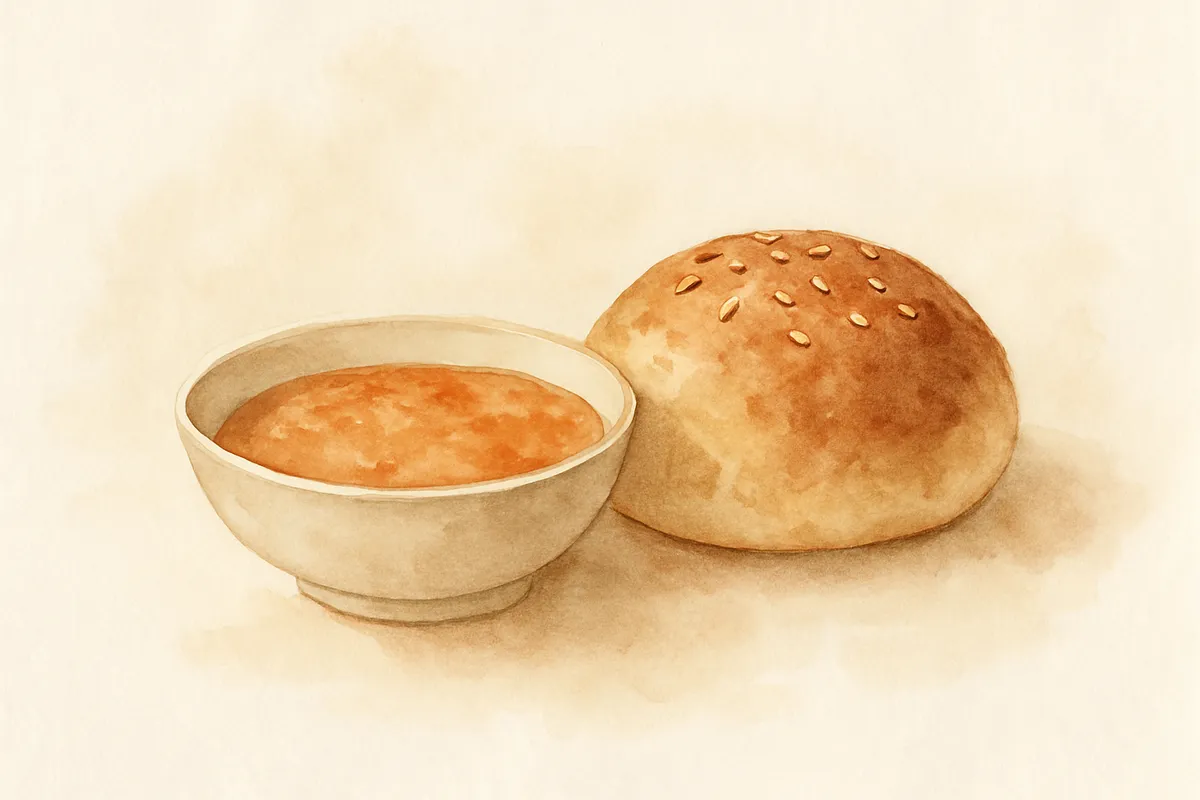
- One should eat only simple, mournful foods (traditionally bread, water, and a hard-boiled egg)
- One should not eat with others (or sit together at a table in a festive manner)
- One should not eat two cooked dishes (shnei tavshilin)
These rules are codified in Shulchan Aruch, Orach Chaim 552.
The Logic: It's Preparatory
Rama (R. Moshe Isserles) and later authorities make clear that the seudah hamafseket exists because one is about to fast. Its restrictive, mournful character is meant to set the emotional and physical tone for the fast.
Therefore, if a person is fully halachically exempt from fasting (e.g., a seriously ill person, or in some opinions a choleh she'ein bo sakana — a person with a non-life-threatening illness on a bad day), the logic of the preparatory meal falls away.
Categories of Exemption — The Key Distinctions
1. The Seriously Ill (Choleh she'yesh bo sakana)
A person who is seriously ill and is forbidden to fast is generally exempt from seudah hamafseket restrictions entirely. They may eat normally before the fast begins.
2. Pregnant and Nursing Women
In most Ashkenazic practice, pregnant and nursing women do fast on Tisha B'Av (unlike Yom Kippur, where the standard is more lenient). Since they fast, they observe seudah hamafseket like everyone else. However, if a doctor or posek has ruled that a specific woman should not fast, she would follow the same rule as the ill person above.
3. A Person Who May Resume Fasting Partway Through
Some authorities (including Mishnah Berurah 554:11) discuss cases where someone begins exempt but may become able to fast later in the day. In such cases, one should be more careful and perhaps avoid full feasting, to preserve the spirit of the day.
The Broader Point: Mourning Obligations Remain
Even for those fully exempt from fasting, Tisha B'Av retains its character as a day of mourning. The Mishnah in Ta'anit states:
"מִשֶּׁנִּכְנַס אָב, מְמַעֲטִין בְּשִׂמְחָה" — "When Av enters, we diminish in joy." [Mishnah Ta'anit 4:6]
This means that even an exempt person should avoid feasting, celebration, and joyful activities on the day itself. The seudah hamafseket restrictions, however, are specifically tied to fasting preparation.
Practical Bottom Line
| Situation | Seudah Hamafseket Required? | |---|---| | Healthy adult | ✅ Yes, fully | | Pregnant/nursing (fasting) | ✅ Yes, fully | | Pregnant/nursing (not fasting by doctor's order) | ❌ Generally not | | Seriously ill, exempt from fasting | ❌ Generally not | | Child below bar/bat mitzvah | ❌ Not required |
For personal guidance, consult your local rabbi or posek, as individual circumstances vary greatly and the specific reason for exemption significantly affects the halacha.
Sources
People Also Asked
Want to dig deeper?