A Hindu scholar claims that Brahman and the Kabbalistic Ein Sof are identical concepts. Present the strongest Jewish sources supporting this claim.
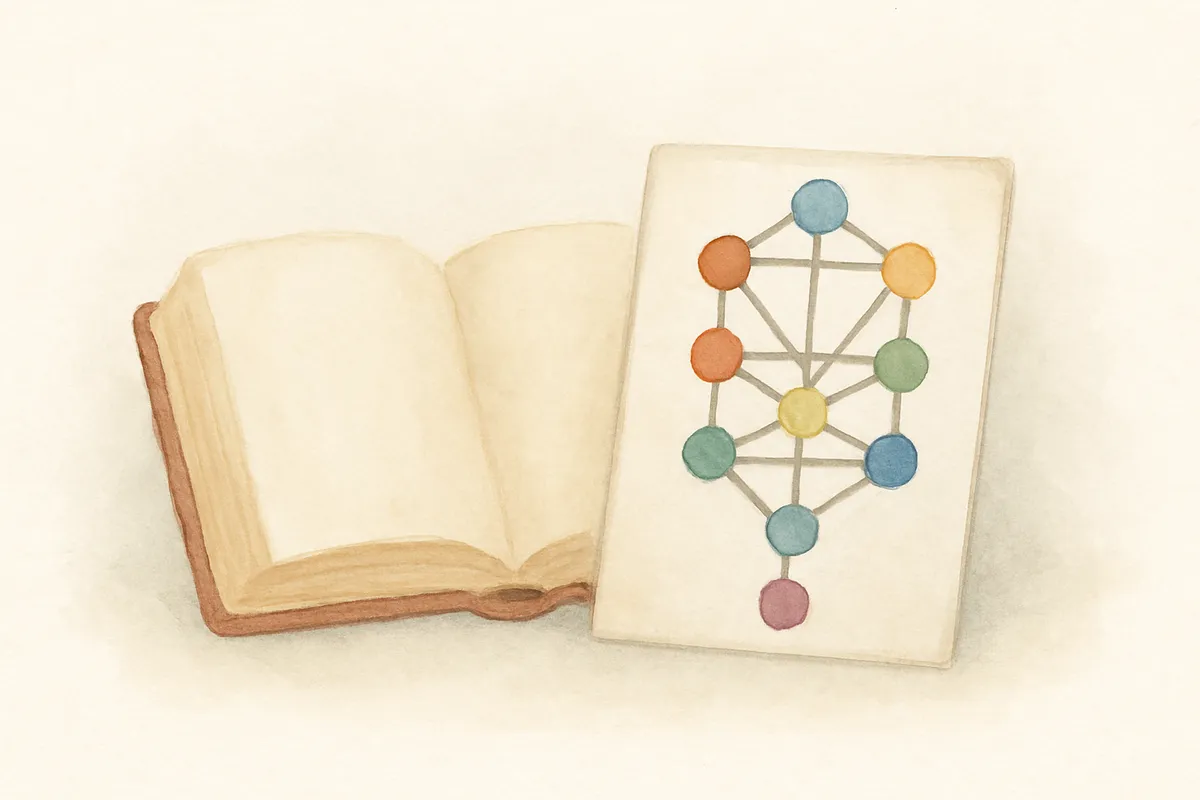
Is Ein Sof Identical to Brahman? The Strongest Jewish Sources for the Comparison
The claim that the Kabbalistic Ein Sof (אֵין סוֹף, "Infinite/Without End") and the Hindu concept of Brahman share deep structural similarities is a serious philosophical argument that deserves honest engagement. While mainstream Jewish tradition would firmly resist the claim of identity, there are genuine Jewish sources that support remarkable parallels — and a careful Torah scholar must present them honestly before articulating where the comparison ultimately breaks down.
Key Takeaways
- Ein Sof and Brahman share striking structural parallels: both are infinite, beyond form, beyond human cognition, and the ultimate ground of all reality.
- The Zohar explicitly states that Ein Sof has "no likeness or form" and cannot be grasped by any vessel of knowledge [Zohar, Bo 15:222].
- The Yigdal prayer affirms that God's unity is unlike any other unity — unique even among unities — suggesting a category that transcends all comparison [Siddur Ashkenaz, Yigdal 5].
- The Mishnah itself restricts speculation about ultimate divine reality, acknowledging the limits of human inquiry [Mishnah Chagigah 2:1].
- Most Jewish thinkers would resist the claim of identity while acknowledging the philosophical resonance — the differences are theological, not merely semantic.
The Strongest Jewish Sources Supporting the Parallel
1. Ein Sof as Formless, Infinite, and Beyond Cognition
The most direct support comes from the Zohar itself. In Zohar Bo 15:222, the text states:
"וְאֵין לוֹ דְּמוּת וְצוּרָה, וְשָׁם אֵין כְּלִי לִתְפֹּס אוֹתוֹ, לָדַעַת בּוֹ יְדִיעָה כְּלָל" "It has no likeness or form, and there is no vessel capable of grasping it, to know it with any knowledge at all."
[Zohar, Bo 15:222]
This maps strikingly onto the Upanishadic description of Brahman as nirguna (without qualities) and nirakara (without form). Both traditions assert that the ultimate divine ground:
- Has no shape or image
- Cannot be positively defined
- Transcends all human cognitive categories
- Can only be approached via negativa (negative theology)
2. The Doctrine of Negative Theology (Shlilat HaGevulim)
The Zohar continues in the same passage, citing the rabbinic principle:
"בַּמֻּפְלָא מִמְּךְ אַל תִּדְרשׁ וּבַמְכֻסֶּה מִמְּךְ אַל תַּחְקֹר" "In what is too wondrous for you, do not inquire; in what is hidden from you, do not investigate."
[Zohar, Bo 15:222, citing Ben Sira 3:21]
This is the Jewish equivalent of the neti neti ("not this, not this") method of the Brihadaranyaka Upanishad. Both traditions resolve the problem of describing the Infinite by categorically rejecting all finite descriptions.
Rambam (Maimonides) develops this most fully in his doctrine of shllilat ha-te'arim (negative attributes) in the Moreh Nevuchim (Guide for the Perplexed, 1:58): we cannot say what God is, only what God is not. This is structurally identical to the neti neti method.
3. Unity Beyond All Comparative Unity
The Yigdal prayer — a liturgical poem based on Rambam's Thirteen Principles — states:
"אֶחָד וְאֵין יָחִיד כְּיִחוּדוֹ, נֶעְלָם וְגַם אֵין סוֹף לְאַחְדּוּתוֹ" "One, and there is no unity like His unity; hidden, and there is no end to His oneness."
[Siddur Ashkenaz, Yigdal 5]
The phrase ein sof le'achduto — "no end/limit to His unity" — echoes precisely the Advaita Vedanta concept of Brahman as non-dual (advaita), a unity so absolute it admits no multiplicity whatsoever. Both traditions push divine unity beyond ordinary numerical oneness into a category-transcending absolute.
4. The Sefirot as Maya? The Structure of Emanation
The Zohar describes Ein Sof creating the ten sefirot (divine emanations) as its mode of self-expression in the world:
"עִלַּת הָעִלּוֹת עָשָׂה עֶשֶׂר סְפִירוֹת" "The Cause of Causes made ten sefirot"
[Zohar, Bo 15:222]
The Hindu scholar would note that this maps onto Brahman emanating Ishvara and the manifest world through shakti or maya. In both systems:
- The Absolute (Ein Sof / Brahman) is beyond all predication
- The Manifest Divine (Sefirot / Ishvara with qualities) is accessible to human experience
- The World is an expression or emanation of the Absolute, not something separate from it
Rabbi Moshe Cordovero (Ramak, in Pardes Rimonim) and Rabbi Chaim Vital (in Etz Chaim) both emphasize that Ein Sof permeates all reality — "אֵין מָקוֹם פָּנוּי מִמֶּנּוּ" (ein makom panui mimenu, "there is no place empty of Him") — a formulation that parallels Brahman as sarvavyapin (all-pervading).
5. The Limits of Human Knowledge — A Shared Epistemic Humility
Mishnah Chagigah 2:1 establishes formal restrictions on probing ultimate divine reality:
"כָּל הַמִּסְתַּכֵּל בְּאַרְבָּעָה דְּבָרִים, רָאוּי לוֹ כְּאִלּוּ לֹא בָּא לָעוֹלָם, מַה לְּמַעְלָה, מַה לְּמַטָּה, מַה לְּפָנִים, וּמַה לְּאָחוֹר" "Whoever speculates about four things — what is above, what is below, what is before, and what is after — it would have been better had he not been born."
[Mishnah Chagigah 2:1]
The very restriction of inquiry implies that Ein Sof exceeds all spatial, temporal, and conceptual frameworks. The Upanishads make exactly this move: Brahman cannot be contained in nama-rupa (name and form). Both traditions use esoteric restriction as a marker of the Absolute's transcendence.
6. Rambam on the Incommensurability of Divine Experience
In his commentary on Mishnah Sanhedrin 10:1, Rambam uses a powerful analogy:
"Just as a blind person cannot grasp colors, and a deaf person cannot grasp sounds, and a eunuch cannot grasp sexual desire — so embodied beings cannot grasp spiritual pleasures... and just as fish do not know the element of fire because they live in the opposing element of water —
Sources
People Also Asked
Want to dig deeper?